
Latest Version
1.2.8
October 13, 2024
SUPERSONIC STUDIOS LTD
Games
iOS
281.3 MB
0
Free
Report a Problem
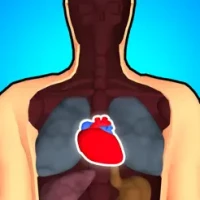
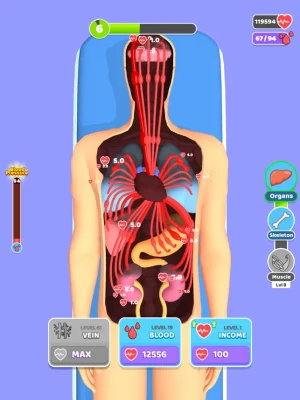
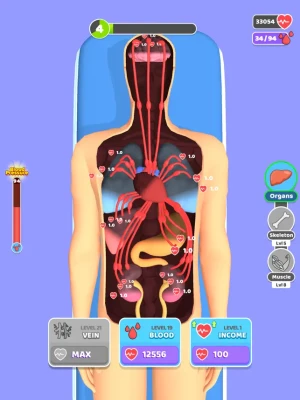
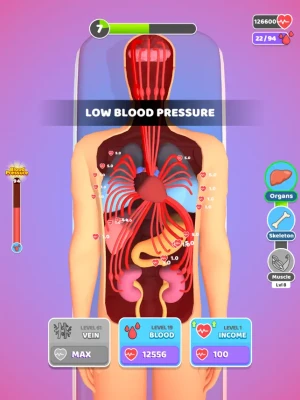
More About Click to Life
Reviving Life: The Essential Role of Blood Circulation in Organ Function
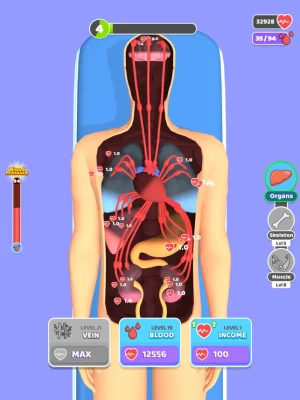
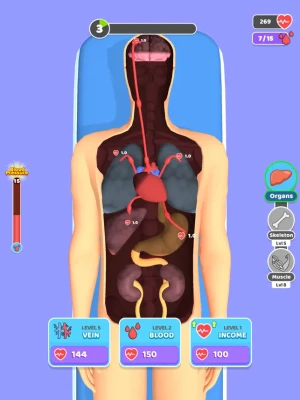
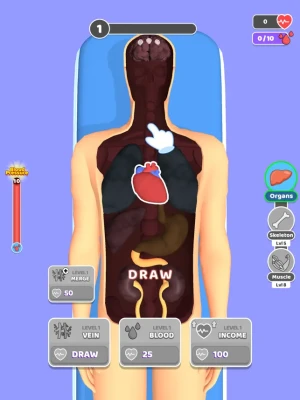
Blood circulation is a vital process that sustains life by delivering oxygen and nutrients to organs while removing waste products. Understanding how blood pumps through the body and connects to various organs is crucial for appreciating the intricate systems that keep us alive. This article delves into the mechanics of blood circulation, its significance, and how it plays a pivotal role in reviving life.
The Mechanics of Blood Circulation
At the heart of the circulatory system lies the heart, a muscular organ that functions as a pump. The heart consists of four chambers: the right atrium, right ventricle, left atrium, and left ventricle. Blood circulation occurs in two primary loops: the pulmonary circulation and the systemic circulation.
Pulmonary Circulation: Oxygenation of Blood
Pulmonary circulation begins when deoxygenated blood returns to the right atrium from the body. The heart then pumps this blood into the right ventricle, which sends it to the lungs via the pulmonary arteries. In the lungs, carbon dioxide is exchanged for oxygen, revitalizing the blood. This oxygen-rich blood returns to the left atrium, ready to be distributed throughout the body.
Systemic Circulation: Nourishing the Body
Once the blood reaches the left atrium, it flows into the left ventricle, which is responsible for pumping oxygenated blood into the aorta. From there, blood travels through a network of arteries, arterioles, and capillaries, delivering essential nutrients and oxygen to every cell in the body. This systemic circulation is crucial for maintaining organ function and overall health.
The Importance of Blood Flow to Organs
Every organ in the body relies on a steady supply of blood to function optimally. The brain, heart, kidneys, and liver are particularly sensitive to changes in blood flow. A disruption in circulation can lead to severe consequences, including organ failure.
Brain: The Command Center
The brain requires a constant supply of oxygen and glucose to operate effectively. Even a brief interruption in blood flow can result in cognitive impairment or, in severe cases, a stroke. Ensuring adequate blood circulation to the brain is essential for maintaining mental clarity and overall neurological health.
Heart: The Engine of Life
The heart itself is a muscle that needs a continuous supply of oxygen-rich blood. Coronary arteries supply blood to the heart muscle, and any blockage can lead to conditions such as angina or heart attacks. Maintaining healthy blood circulation is vital for cardiovascular health.
Kidneys: The Body's Filtration System
The kidneys filter waste products from the blood and regulate fluid balance. They require a significant amount of blood flow to function properly. Reduced circulation can lead to kidney damage and impaired waste elimination, highlighting the importance of maintaining healthy blood flow.
Liver: The Metabolic Hub
The liver plays a crucial role in metabolism, detoxification, and nutrient storage. It receives blood from both the hepatic artery and the portal vein, allowing it to process nutrients and filter toxins. Adequate blood circulation is essential for the liver to perform its functions effectively.
Reviving Life: The Role of Medical Interventions
In medical emergencies, restoring blood circulation can be a matter of life and death. Techniques such as cardiopulmonary resuscitation (CPR) and the use of defibrillators are critical in reviving individuals whose hearts have stopped beating. These interventions aim to restore blood flow and oxygenation to vital organs, emphasizing the importance of timely action in emergencies.
Cardiopulmonary Resuscitation (CPR)
CPR is a lifesaving technique that combines chest compressions and rescue breaths to maintain blood circulation and oxygenation in a person experiencing cardiac arrest. By manually pumping the heart, CPR can help keep blood flowing to the brain and other vital organs until professional medical help arrives.
Defibrillation: Restoring Heart Rhythm
Defibrillation involves delivering an electric shock to the heart to restore a normal rhythm. This intervention is crucial in cases of ventricular fibrillation or pulseless ventricular tachycardia, where the heart is unable to pump blood effectively. Quick access to a defibrillator can significantly increase the chances of survival.
Conclusion: The Lifeline of Blood Circulation
Blood circulation is the lifeline of the human body, ensuring that every organ receives the necessary nutrients and oxygen to function. Understanding the mechanics of blood flow and its significance in organ health is essential for promoting overall well-being. In emergencies, timely interventions can revive life by restoring circulation, underscoring the critical role of blood in sustaining life.
By prioritizing cardiovascular health and being prepared for emergencies, we can enhance our chances of living a long, healthy life. Remember, every heartbeat counts in the journey of life.
Rate the App
User Reviews















Popular Apps










Editor's Choice