






Latest Version
3.9.4
October 19, 2024
Conquer your Town!
Games
iOS
497.9 MB
0
Free
Report a Problem
More About City Takeover
Mastering Building Connections: A Guide to Seamless Drag Controls
In the realm of architecture and urban planning, the ability to connect buildings efficiently is crucial. This article delves into the innovative concept of drag controls, a simple yet powerful tool that allows users to link structures effortlessly. Whether you are an architect, a city planner, or a developer, understanding how to utilize drag controls can enhance your projects significantly.
Understanding Drag Controls
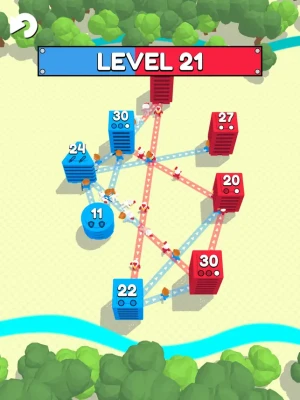
Drag controls are intuitive features that enable users to manipulate and connect buildings within a digital environment. By simply clicking and dragging from one structure to another, users can create connections that reflect their design intentions. This functionality not only streamlines the design process but also fosters creativity and flexibility in urban development.
The Importance of Building Connections
Connecting buildings is more than just a design choice; it plays a vital role in urban functionality. Here are some key reasons why building connections matter:
- Enhanced Accessibility: Well-connected buildings improve pedestrian flow and accessibility, making it easier for individuals to navigate urban spaces.
- Increased Collaboration: In environments like campuses or business districts, connected buildings encourage collaboration and interaction among occupants.
- Efficient Use of Space: By linking structures, architects can optimize land use, creating more functional and aesthetically pleasing environments.
How to Use Drag Controls Effectively
To maximize the benefits of drag controls, consider the following strategies:
1. Plan Your Layout
Before utilizing drag controls, take the time to plan your layout. Consider the purpose of each building and how they will interact with one another. A well-thought-out plan will guide your connections and ensure a cohesive design.
2. Experiment with Different Configurations
One of the advantages of drag controls is the ability to experiment with various configurations. Don’t hesitate to try different arrangements to see what works best for your project. This flexibility can lead to innovative solutions that enhance the overall design.
3. Incorporate Feedback
Engage with stakeholders and gather feedback on your designs. Understanding the perspectives of those who will use the space can provide valuable insights that inform your connections and overall layout.
Common Challenges and Solutions
While drag controls offer numerous benefits, users may encounter challenges. Here are some common issues and their solutions:
1. Overlapping Structures
When connecting buildings, overlapping structures can occur, leading to confusion in the design. To avoid this, ensure that each building has a defined space and that connections are clear and intentional.
2. Inconsistent Design Elements
Maintaining a consistent design aesthetic is crucial for a harmonious look. Use design guidelines and templates to ensure that connected buildings share similar architectural features and materials.
3. Technical Limitations
Sometimes, software limitations can hinder the effectiveness of drag controls. Familiarize yourself with the tools at your disposal and seek updates or plugins that enhance functionality.
Conclusion: The Future of Building Connections
As urban environments continue to evolve, the importance of effective building connections cannot be overstated. Drag controls offer a simple yet powerful method for linking structures, enhancing accessibility, and fostering collaboration. By mastering this tool, architects and planners can create innovative, functional, and aesthetically pleasing urban spaces that meet the needs of their communities.
Embrace the power of drag controls in your next project and witness the transformation in your design process. With careful planning, experimentation, and stakeholder engagement, you can create connected environments that stand the test of time.
Rate the App
User Reviews















Popular Apps










Editor's Choice