

Latest Version
1.7.1
September 03, 2024
City Smash
Games
iOS
185.5 MB
0
Free
Report a Problem
More About City Smash
Understanding the Impact of Destructive Forces: A Closer Look at Building Design
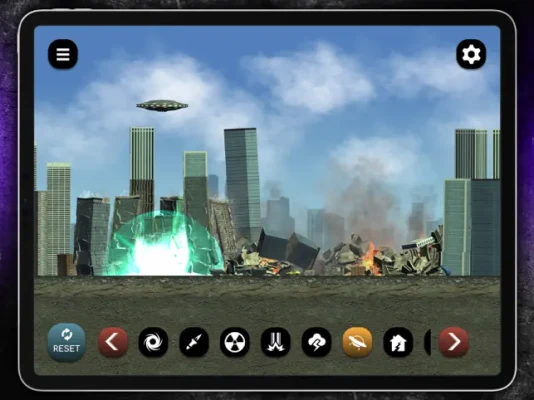
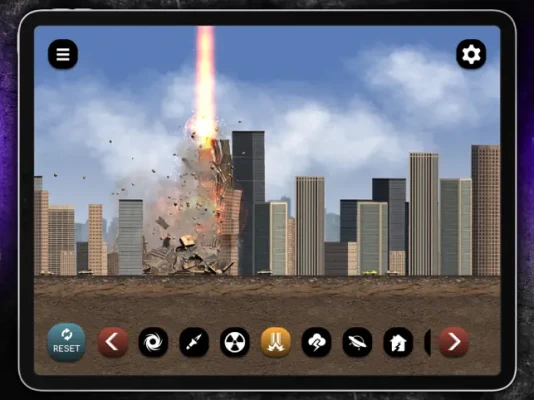
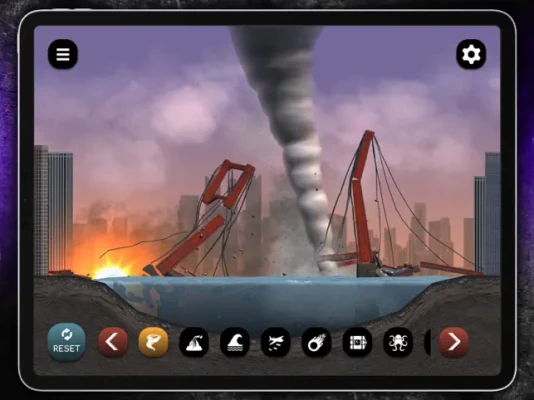
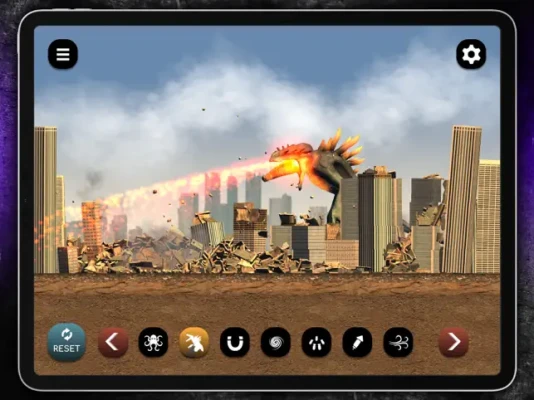
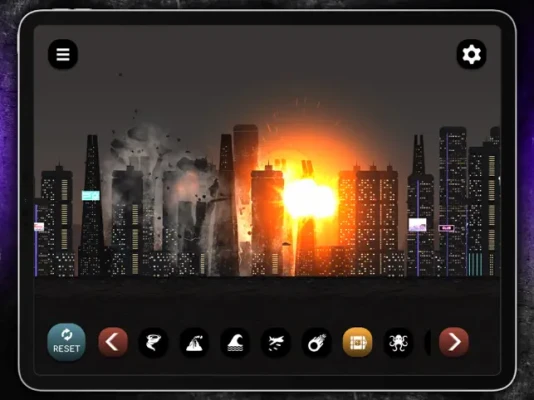
In the realm of architecture and engineering, the design of buildings plays a crucial role in understanding the effects of destructive forces. This article delves into how modern structures are crafted to simulate realistic damage, allowing us to witness the devastating impact of various weapons.
The Science Behind Structural Integrity
Architects and engineers employ advanced techniques to ensure that buildings can withstand various forces, including natural disasters and man-made threats. The study of structural integrity involves understanding materials, load distribution, and the potential for failure under stress. By analyzing these factors, professionals can design buildings that not only serve their intended purpose but also provide insights into their vulnerabilities.
Simulating Destruction: The Role of Realistic Design
One of the most fascinating aspects of modern architecture is the ability to design buildings that can break apart in a controlled manner. This approach allows for a realistic representation of the devastation caused by weapons, providing valuable data for military and safety applications. By creating structures that mimic the effects of explosions or impacts, researchers can study the aftermath and improve safety protocols.
Applications in Military and Safety Training
The realistic design of buildings has significant implications for military training and safety drills. By using structures that accurately reflect potential damage scenarios, military personnel can better prepare for real-world situations. This training enhances their ability to respond effectively during crises, ultimately saving lives and minimizing destruction.
Innovative Materials and Techniques
Advancements in materials science have led to the development of innovative building materials that can withstand extreme conditions. Engineers are now utilizing composites, reinforced concrete, and other high-performance materials to enhance the resilience of structures. These innovations not only improve safety but also allow for more creative architectural designs that can withstand the test of time.
Case Studies: Learning from Real-World Events
Examining past events where buildings have been subjected to destructive forces provides invaluable lessons for future designs. For instance, the analysis of buildings affected by earthquakes, explosions, or other catastrophic events helps engineers understand failure points and improve future designs. By studying these case studies, architects can create structures that are not only aesthetically pleasing but also resilient against potential threats.
The Future of Building Design
As technology continues to evolve, the future of building design looks promising. The integration of artificial intelligence and machine learning into architectural practices allows for more precise simulations of destructive forces. This technology can predict how buildings will respond to various scenarios, leading to safer and more efficient designs.
Conclusion: The Importance of Realistic Building Design
In conclusion, the design of buildings that can realistically break apart under destructive forces serves a critical purpose in our understanding of safety and resilience. By studying the impact of weapons and other threats on these structures, we can enhance our preparedness for emergencies and improve the overall safety of our built environment. As we move forward, the continued innovation in materials and design techniques will play a pivotal role in shaping the future of architecture.
Rate the App
User Reviews















Popular Apps










Editor's Choice