



Latest Version
June 30, 2026
MicroSmooth.link
Education
Android
0
Free
uni.UNI40BB307
Report a Problem
More About Chinese Pinyin LearningMachine
Mastering Pinyin: Your Comprehensive Guide to Chinese Pronunciation
Understanding Pinyin is essential for anyone looking to learn Mandarin Chinese effectively. This article delves into the intricacies of Pinyin pronunciation, the combination of sounds, and practical methods to enhance your learning experience.
1. Understanding Standard Pinyin Pronunciation
Pinyin serves as the phonetic foundation for Mandarin Chinese, allowing learners to grasp the sounds of the language. It is crucial to familiarize yourself with the standard pronunciation of Pinyin to ensure accurate communication. Each letter and combination of letters corresponds to specific sounds, making it easier to pronounce Chinese words correctly.
2. The Combination of Initial Consonants, Finals, and Tones
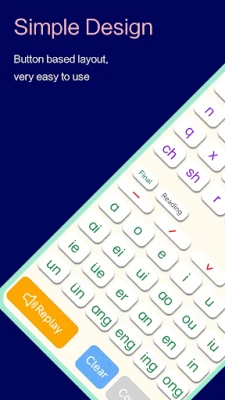
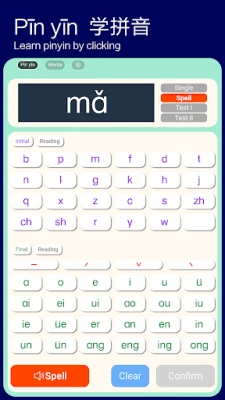
To master Pinyin, one must understand the combination of initial consonants, finals, and tones. Initial consonants are the starting sounds of syllables, while finals are the vowel sounds that follow. Tones, which are integral to Mandarin, can change the meaning of a word entirely. There are four primary tones in Mandarin, and mastering these is essential for clear communication.
For example, the syllable "ma" can mean "mother," "hemp," "horse," or "scold," depending on the tone used. Therefore, practicing the combination of these elements is vital for achieving fluency in pronunciation.
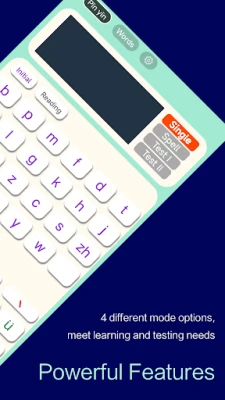
3. Testing Your Mastery of Individual Pinyin Sounds
To assess your understanding of individual Pinyin sounds, consider engaging in various exercises. These can include:
- Listening to audio recordings of native speakers.
- Repeating sounds and syllables aloud.
- Utilizing language learning apps that focus on Pinyin pronunciation.
Regular practice will help reinforce your ability to recognize and produce the correct sounds, leading to improved pronunciation skills.
4. Testing the Combination and Application of Pinyin
Once you feel confident with individual sounds, it’s time to test your ability to combine and apply Pinyin in real-world contexts. This can be achieved through:
- Reading simple Chinese texts aloud.
- Participating in language exchange sessions with native speakers.
- Practicing with flashcards that include both Pinyin and characters.
These activities will not only enhance your pronunciation but also help you understand how Pinyin functions within the structure of the Chinese language.
Vocabulary Building with Flashcards
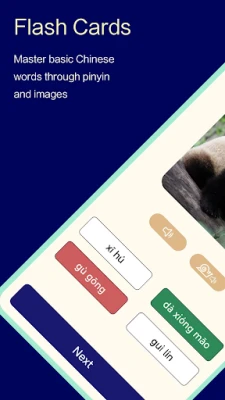
One effective method for expanding your vocabulary is through the use of flashcards. This technique allows for quick and efficient learning of basic Chinese words. Here’s how to make the most of flashcards:
- Select Basic Chinese Words: Start with commonly used words and phrases to build a solid foundation.
- Standard Vocal Pronunciation: Ensure that each flashcard includes the correct Pinyin pronunciation to aid in learning.
- Optional Slow Voice: Utilize audio features that allow you to hear words pronounced slowly, making it easier to mimic the sounds.
- Silent Mode: Consider using a silent mode for self-testing, where you try to recall the pronunciation before checking the answer.
Conclusion: Embrace the Journey of Learning Pinyin
Mastering Pinyin is a crucial step in your journey to learning Mandarin Chinese. By understanding standard pronunciation, practicing the combination of sounds, and utilizing effective vocabulary-building techniques, you can significantly enhance your language skills. Remember, consistency and practice are key to achieving fluency. Embrace the process, and enjoy the rich experience of learning a new language!
Rate the App
User Reviews















Popular Apps










Editor's Choice