
Latest Version
0.0.11
December 08, 2025
Theago Liddell
Education
Android
0
Free
com.theagoliddell.chinesemythology
Report a Problem
More About Chinese Mythology
Exploring the Rich Tapestry of Chinese Mythology: Legends, Deities, and Cultural Foundations
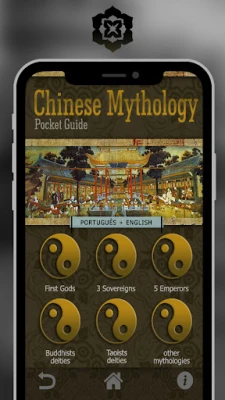
Chinese mythology encompasses a vast array of stories, legends, and rituals that have been transmitted through generations, both orally and in written form. This intricate tapestry of narratives not only reflects the cultural heritage of China but also serves as a means of commemorating significant historical events. In this article, we will delve into the key themes of Chinese mythology, explore its origins, and highlight some of the most notable deities and figures that populate this fascinating world.
The Origins of Chinese Mythology
Historians trace the roots of Chinese mythology back to around 1100 BC. For nearly a millennium, these myths and legends were shared through oral traditions, allowing them to evolve and adapt over time. It wasn't until the early writings, such as the Shui Jing Zhu and the Shan Hai Jing, that these stories began to be documented. These texts played a crucial role in preserving the rich narratives of Chinese culture.
As the centuries progressed, oral traditions continued to thrive, with myths being conveyed through various forms of performance, including theater and song. Eventually, these stories found their way into written form in later works, such as the Fengshen Yanyi, which further solidified their place in Chinese literary history.
Thematic Elements in Chinese Mythology
Chinese mythology is characterized by several recurring themes that reflect the values, beliefs, and historical experiences of the Chinese people. Some of the most prominent themes include:
- Creation Myths: These narratives often explore the origins of the universe, humanity, and the natural world. They provide insight into how ancient Chinese societies understood their place in the cosmos.
- Heroic Legends: Many myths feature heroic figures who embark on epic quests, facing challenges and adversaries that test their strength and virtue. These stories often serve as moral lessons for society.
- Deities and Spirits: The pantheon of Chinese mythology is rich with gods, goddesses, and spirits that embody various aspects of life, nature, and human experience. These figures are often worshipped in rituals and ceremonies.
- Historical Commemoration: Many myths serve to commemorate significant historical events or figures, blending history with legend to create a narrative that resonates with cultural identity.
The First Gods of Chinese Mythology
At the heart of Chinese mythology lies a diverse array of deities, each with unique attributes and stories. Among the earliest gods are:
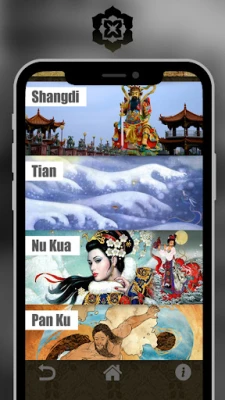
- Pangu: Often regarded as the creator of the universe, Pangu is said to have emerged from a cosmic egg and separated the heavens from the earth. His immense strength and sacrifice laid the foundation for the world as we know it.
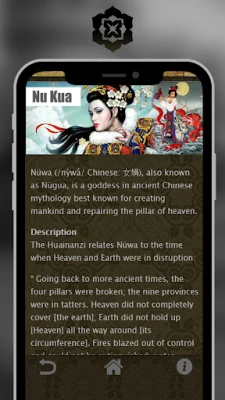
- Nüwa: A goddess associated with creation and fertility, Nüwa is credited with molding humanity from clay. She is also known for repairing the sky after a catastrophic event, symbolizing resilience and restoration.
- Fuxi: Often depicted alongside Nüwa, Fuxi is considered a cultural hero who introduced essential skills such as fishing, hunting, and the invention of writing. His contributions significantly shaped early Chinese civilization.
List of Emperors in Chinese Mythology
The mythology of China is also intertwined with the history of its emperors, many of whom are revered as semi-divine figures. Some notable emperors include:
- Yao: Regarded as a model ruler, Yao is celebrated for his wisdom and benevolence. His reign is often seen as a golden age of peace and prosperity.
- Shun: Following Yao, Shun is remembered for his virtuous leadership and ability to unite the people. His story emphasizes the importance of moral integrity in governance.
- Yu the Great: Known for his efforts in flood control, Yu the Great is a legendary figure who founded the Xia dynasty. His dedication to the welfare of the people has made him a symbol of selflessness and determination.
List of Sovereigns in Chinese Mythology
In addition to emperors, Chinese mythology features a range of sovereigns who played pivotal roles in shaping the cultural landscape. Some key figures include:
- The Yellow Emperor (Huangdi): Often considered the ancestor of the Chinese people, the Yellow Emperor is associated with numerous inventions and advancements in medicine, agriculture, and governance.
- The Jade Emperor: As the supreme deity in Taoist belief, the Jade Emperor governs the heavens and oversees the affairs of both gods and mortals. He is a central figure in many myths and religious practices.
- Emperor Wu of Han: A historical figure who became a legendary sovereign, Emperor Wu is known for his military conquests and efforts to expand the Chinese empire. His reign is often romanticized in mythological narratives.
Conclusion: The Enduring Legacy of Chinese Mythology
Chinese mythology is a profound reflection of the cultural, historical, and spiritual essence of China. Through its rich narratives, it offers insights into the values and beliefs that have shaped Chinese civilization over millennia. The stories of gods, emperors, and heroes continue to resonate, reminding us of the enduring power of myth in understanding our world and our place within it. As we explore these ancient tales, we gain a deeper appreciation for the intricate connections between history, culture, and mythology in one of the world's oldest civilizations.
Rate the App
User Reviews












Popular Apps









Editor's Choice