

Latest Version
2.2
May 31, 2026
Kids Games Factory
Games
Android
0
Free
com.kidsgamesfactory.carpenter.furniture.shop
Report a Problem
More About Carpenter Furniture Craft Shop
Mastering the Art of Furniture Crafting: A Comprehensive Guide
In the world of furniture crafting, the journey from raw materials to beautifully designed pieces is both an art and a science. This guide will walk you through the essential steps to establish a successful furniture shop, from sourcing materials to delivering finished products that delight customers. Whether you're a seasoned craftsman or a newcomer to the trade, this article will provide valuable insights to enhance your furniture-making skills.
Setting Up Your Furniture Shop
To kickstart your furniture-making venture, you need to open a shop that caters to customer needs. Begin by creating an inviting atmosphere that showcases your craftsmanship. Ensure that your shop is well-organized and stocked with a variety of furniture items to attract potential buyers.
Gathering Quality Materials
Before diving into the crafting process, it’s crucial to gather sufficient materials. Start by sourcing high-quality wood, which is the backbone of any furniture piece. Head to the forest with a saw machine to cut down trees, ensuring you follow local regulations regarding logging. Once you have harvested the wood, load the logs onto your truck for transportation.
Transforming Logs into Furniture
Upon arriving at your furniture factory, the real work begins. First, chop the logs into manageable slabs that can be used for crafting. With all the necessary machines and tools at your disposal, you can efficiently transform these raw materials into stunning furniture pieces.
Designing Your Furniture
As a factory worker, your first task is to mark the wooden sheets with the desired furniture design. Precision is key here; take your time to ensure that your measurements are accurate. Once marked, use a saw to cut the sheets according to your design specifications.
Assembling the Pieces
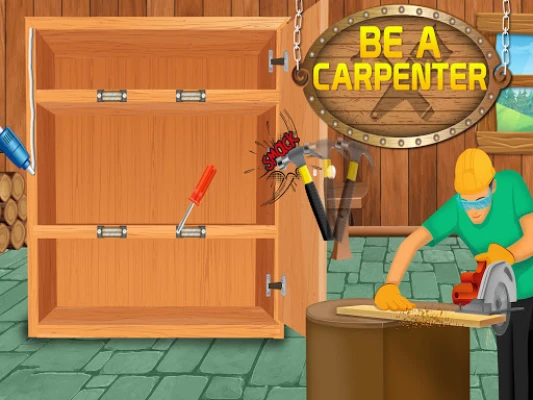
After cutting the sheets, it’s time to assemble the furniture. Utilize nails and a hammer to join the various parts together, whether you’re crafting a bed, table, or closet. This step requires attention to detail to ensure that each piece is sturdy and well-constructed.
Finishing Touches: Sanding and Painting
Once the furniture is assembled, it’s essential to refine the surfaces. Use sandpaper to smooth out any rough edges and prepare the wood for painting. The finishing touches are crucial, as they enhance the overall appearance of the furniture. Apply paint colors that align with customer preferences, ensuring that each piece is uniquely tailored to their design specifications.
Packaging and Delivery
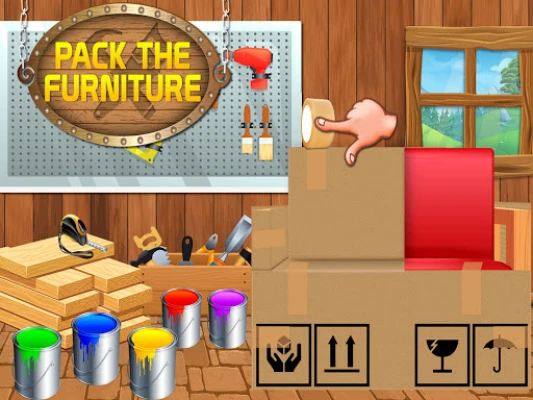
After completing the decoration, the final step is to package the furniture securely. Use high-quality boxing materials to ensure that each item is protected during transport. A well-packaged product not only prevents damage but also reflects your professionalism and commitment to quality.
Becoming a Top Furniture Provider
To establish yourself as a leading home furnisher, focus on delivering exceptional furnishings that meet customer expectations. Strive for excellence in every aspect of your work, from crafting to customer service. As your reputation grows, so will your popularity in the market.
Features of Your Furniture Crafting Journey
- Create a variety of furniture items, including beds, tables, closets, and chairs.
- Utilize multiple tools for design, crafting, and decoration.
- Engage in entertaining mini-games that enhance your skills.
- Enjoy a fun builder game experience with various challenges.
- Customize paint colors according to customer orders.
- Access all items for free, with no hidden costs.
- Play offline without the need for Wi-Fi, making it convenient for all users.
By following these steps and focusing on quality craftsmanship, you can build a successful furniture-making business that stands out in a competitive market. Embrace the art of furniture crafting, and watch your skills and popularity soar!
Rate the App
User Reviews















Popular Apps










Editor's Choice