

Latest Version
March 23, 2026
GNWebsoft
Education
Android
0
Free
com.gnums.gnums.bvm
Report a Problem
More About BVM Student
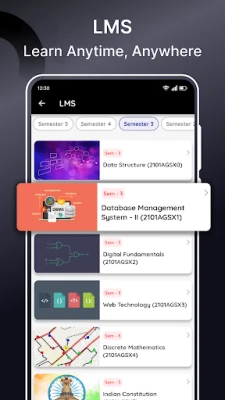
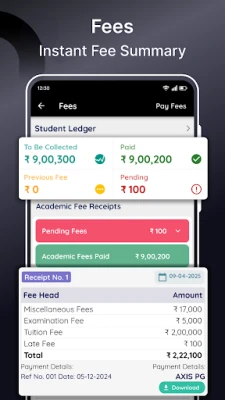
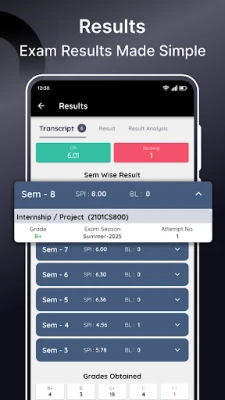
Comprehensive Student Information Management System
In today's educational landscape, effective management of student information is crucial for both academic institutions and learners. A robust student information system (SIS) provides essential details that enhance the educational experience. This article delves into the key features of a student information management system, focusing on student details, attendance tracking, and timetable accessibility.
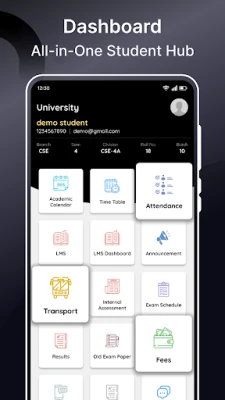
Essential Student Details
A well-structured student information system captures vital information about each student. This includes:
- Name of Student: The full name of the student for identification purposes.
- Enrollment Number: A unique identifier assigned to each student upon admission.
- Status: Indicates whether the student is currently active or inactive.
- Branch: The academic discipline or field of study the student is enrolled in.
- Semester: The current academic semester the student is attending.
- Section: The specific division within a branch that the student belongs to.
- Roll Number: A unique number assigned to the student for attendance and examination purposes.
These details not only help in maintaining accurate records but also facilitate communication between students and faculty members.
Accessing the Current Semester Timetable
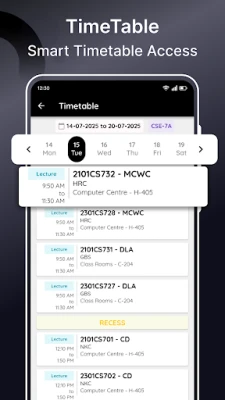
One of the standout features of a student information management system is the ability for students to view their current semester timetable. This feature is typically organized in a day-wise format, allowing students to easily track their classes and manage their schedules effectively. The timetable includes:
- Class Days: A clear outline of which days classes are held.
- Subject Names: The titles of the subjects being taught during the semester.
- Class Timings: The specific times when each class is scheduled to start and end.
By having access to this information, students can plan their study sessions and extracurricular activities around their class schedules, promoting better time management and academic performance.
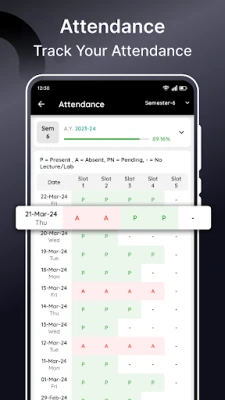
Attendance Summary and Tracking
Monitoring attendance is a critical aspect of academic success. The student information management system provides a comprehensive attendance summary that is organized semester-wise. This feature includes:
- List of Subjects: A detailed list of all subjects the student is enrolled in for the semester.
- Total Lectures Conducted: The total number of classes held for each subject.
- Attendance Percentage: The percentage of attendance for each subject, allowing students to gauge their participation levels.
With this information at their fingertips, students can easily track their attendance and identify areas where they may need to improve. Regular attendance is often linked to better academic outcomes, making this feature invaluable.
Benefits of a Student Information Management System
Implementing a student information management system offers numerous advantages for both students and educational institutions:
- Enhanced Communication: Facilitates better communication between students, faculty, and administration.
- Improved Organization: Centralizes student data, making it easier to manage and access.
- Data-Driven Insights: Provides valuable insights into student performance and attendance trends.
- Time Efficiency: Saves time for both students and staff by automating administrative tasks.
In conclusion, a comprehensive student information management system is essential for modern educational institutions. By providing detailed student profiles, accessible timetables, and thorough attendance tracking, these systems empower students to take charge of their academic journeys. As technology continues to evolve, the importance of such systems will only grow, making them a vital component of effective education management.
Rate the App
User Reviews















Popular Apps










Editor's Choice