Latest Version
1.05
February 09, 2026
Plushy Bug LTD
Games
Android
0
Free
merge.war.clash.ant.army
Report a Problem
More About Bug Survivor: Ants Clash
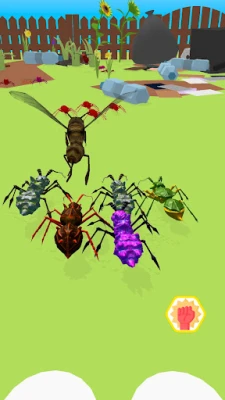
Build Your Insect Army: Rise to the Top of the Food Chain!
Are you ready to embark on an exciting adventure in the world of insects? Collecting different species, strategizing their use, and climbing to the apex of the food chain can be both thrilling and educational. In this article, we will explore how to create your own insect army, the benefits of insect collection, and tips for mastering this unique hobby.
Understanding the Insect Kingdom
The insect kingdom is vast and diverse, with over a million known species. From the industrious ants to the vibrant butterflies, each insect plays a crucial role in the ecosystem. By understanding their behaviors, habitats, and interactions, you can effectively build your own insect army.
Why Collect Insects?
Collecting insects is not just a hobby; it’s a gateway to learning about biodiversity, ecology, and the environment. Here are some compelling reasons to start your collection:
- Educational Value: Insect collection enhances your knowledge of biology and ecology.
- Conservation Awareness: Understanding insect populations can lead to better conservation efforts.
- Skill Development: Collecting insects hones skills such as observation, patience, and attention to detail.
Getting Started: Essential Tools for Insect Collection
Before you dive into the world of insect collection, it’s essential to equip yourself with the right tools. Here’s a list of must-have items:
- Insect Net: A fine mesh net is crucial for catching flying insects.
- Collection Vials: Use small containers to safely store your specimens.
- Field Guide: A guidebook will help you identify different species.
- Notebook: Document your findings, including locations and behaviors.
Strategies for Collecting Insects
Now that you have your tools, it’s time to develop effective strategies for collecting insects. Here are some tips to maximize your success:
1. Choose the Right Location
Insects thrive in various environments, so selecting the right location is key. Look for areas with abundant vegetation, such as gardens, parks, and forests. Each habitat hosts different species, providing a rich collection experience.
2. Time Your Collection
Insects are more active during certain times of the day. Early morning and late afternoon are ideal for capturing a variety of species. Additionally, warm, sunny days tend to yield better results than cooler, overcast ones.
3. Use Bait
Attracting insects can be as simple as using bait. Sweet substances like sugar water or fruit can lure insects to your collection area. Place bait in strategic locations and wait for the insects to arrive.
Identifying Your Insect Army
Once you’ve collected your insects, the next step is identification. This process is crucial for understanding the role each species plays in your army. Here’s how to identify your specimens:
1. Examine Physical Characteristics
Look closely at the size, color, and shape of your insects. Note any distinctive features, such as wing patterns or antennae shapes, which can help in identification.
2. Use Online Resources
Numerous online databases and apps can assist in identifying insects. Websites like BugGuide.net and iNaturalist offer extensive resources for enthusiasts.
3. Join Local Entomology Groups
Connecting with local entomology clubs or online forums can provide valuable insights and support. Experienced collectors can offer tips and help with identification.
Creating Your Insect Army
With your collection identified, it’s time to strategize and create your insect army. Here are some ideas to consider:
1. Understand Insect Hierarchies
Insects often have complex social structures. For example, ants operate in colonies with a clear hierarchy. Understanding these dynamics can help you utilize your insects effectively.
2. Experiment with Ecosystem Roles
Different insects serve various roles in the ecosystem. Some are pollinators, while others are decomposers or predators. Experimenting with these roles can lead to fascinating discoveries about their interactions.
3. Document Your Findings
Keep a detailed record of your experiments and observations. This documentation will not only enhance your understanding but also contribute to the broader scientific community.
Conclusion: Embrace the Adventure of Insect Collection
Building your own insect army is an exciting journey that combines education, exploration, and creativity. By collecting, identifying, and understanding these fascinating creatures, you can rise to the top of the food chain in your own unique way. So grab your tools, head outdoors, and start your adventure in the captivating world of insects!
Rate the App
User Reviews














Popular Apps










Editor's Choice