






Latest Version
8.5.11
May 15, 2026
AF Payments Inc.
Finance
Android
0
Free
com.beeptopay.android
Report a Problem
More About beep™
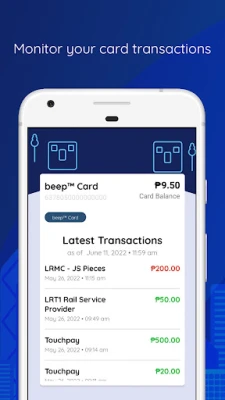
Understanding Real-Time Balance Updates and Transaction Management
In today's fast-paced financial landscape, the importance of real-time balance updates and transaction management cannot be overstated. Consumers and businesses alike rely on accurate and timely information to make informed decisions. This article delves into how balance and transaction updates work, their significance, and the technology behind them.
The Importance of Real-Time Balance Updates
Real-time balance updates provide users with the most current information regarding their financial status. This feature is crucial for several reasons:
- Enhanced Financial Awareness: Users can monitor their spending habits and account balances, allowing for better budgeting and financial planning.
- Fraud Prevention: Immediate updates help users detect unauthorized transactions quickly, enabling them to take swift action to secure their accounts.
- Improved Cash Flow Management: Businesses benefit from real-time updates by managing their cash flow more effectively, ensuring they have the necessary funds for operations.
How Transactions Are Processed
Transactions are updated periodically throughout the day, ensuring that users have access to the latest information. Here’s how the process typically works:
- Initiation: A transaction begins when a user makes a purchase or transfers funds. This can occur through various channels, including online banking, mobile apps, or point-of-sale systems.
- Authorization: The transaction is sent for authorization, where the financial institution verifies the user's identity and checks for sufficient funds.
- Processing: Once authorized, the transaction is processed, and the balance is updated in real-time. This ensures that users see the most accurate information immediately.
- Confirmation: After processing, users receive a confirmation of the transaction, providing peace of mind and a record of the activity.
Technological Advancements in Transaction Management
The evolution of technology has significantly impacted how balance updates and transactions are managed. Key advancements include:
- Mobile Banking Apps: These applications allow users to access their accounts anytime, anywhere, providing real-time updates at their fingertips.
- Blockchain Technology: This decentralized ledger technology enhances security and transparency in transactions, reducing the risk of fraud.
- Artificial Intelligence: AI algorithms analyze transaction patterns, helping to identify anomalies and potential fraud in real-time.
Benefits of Periodic Updates
While real-time updates are essential, periodic updates throughout the day also play a vital role in transaction management:
- System Load Management: Periodic updates help balance the load on financial systems, ensuring they operate efficiently without overwhelming servers.
- Data Accuracy: Regular updates allow for the reconciliation of transactions, ensuring that any discrepancies are addressed promptly.
- User Experience: By providing updates at regular intervals, users can enjoy a seamless experience without constant notifications for every transaction.
Conclusion
In conclusion, understanding how balance and transaction updates work is crucial for anyone navigating the financial world. Real-time updates empower users with the information they need to manage their finances effectively, while periodic updates ensure system efficiency and data accuracy. As technology continues to evolve, the future of transaction management looks promising, offering even more robust solutions for users and businesses alike.
Stay informed and take control of your financial journey by leveraging the power of real-time balance updates and transaction management systems.
Rate the App
User Reviews















Popular Apps










Editor's Choice