



Latest Version
2.2.3
August 24, 2024
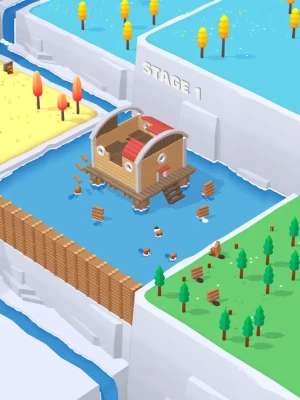
Build your own beaver city!
Games
iOS
178.5 MB
0
Free
Report a Problem
More About Beavers Idle
Transforming Rivers into Lakes: The Art of Building Dams Inspired by Beaver Habitats
Rivers are vital ecosystems that support diverse wildlife and provide essential resources for human communities. One fascinating aspect of river ecosystems is the role of beavers, nature's engineers, who build dams to create tranquil lakes. This article explores the process of constructing dams on rivers, inspired by beaver habitats, and the benefits of creating lakes for both wildlife and human enjoyment.
The Importance of Dams in Ecosystem Management
Dams play a crucial role in managing water resources and enhancing biodiversity. By mimicking the natural dam-building behavior of beavers, we can create artificial lakes that serve multiple purposes:
- Water Storage: Dams help in storing water, which can be vital during dry seasons.
- Flood Control: They mitigate the impact of floods by regulating water flow.
- Wildlife Habitat: Lakes formed by dams provide habitats for various species, including fish, birds, and amphibians.
- Recreational Opportunities: Lakes offer spaces for activities such as fishing, kayaking, and birdwatching.
Understanding Beaver Behavior and Dam Construction
Beavers are known for their remarkable ability to alter landscapes. They construct dams using branches, mud, and stones, creating ponds that serve as safe havens for their families. Observing beaver behavior can provide valuable insights into effective dam construction techniques.
Key elements of beaver dam construction include:
- Material Selection: Beavers use readily available materials, such as wood and mud, to build sturdy structures.
- Location: They choose sites with a steady water flow and abundant vegetation, ensuring their dams are effective.
- Maintenance: Beavers regularly maintain their dams, reinforcing them to withstand changing water levels.
Steps to Build a Dam on a River
Building a dam on a river requires careful planning and execution. Here’s a step-by-step guide to creating a sustainable and effective dam:
1. Site Assessment
Begin by assessing the river's flow, surrounding vegetation, and wildlife presence. Identify a suitable location that can support a dam without disrupting the ecosystem.
2. Design the Dam
Create a design that mimics natural beaver dams. Consider the height, width, and materials needed. A well-designed dam should allow for controlled water flow while creating a stable lake.
3. Gather Materials
Collect materials such as logs, branches, rocks, and mud. Ensure that the materials are environmentally friendly and sourced sustainably.
4. Construct the Dam
Begin building the dam by placing larger logs at the base for stability. Layer smaller branches and mud on top to create a solid structure. Ensure that the dam is wide enough to withstand water pressure.
5. Monitor and Maintain
Regularly check the dam for any signs of wear or damage. Make necessary repairs to maintain its integrity and effectiveness in creating a lake.
Benefits of Creating Lakes through Dam Construction
Constructing lakes through dam building offers numerous benefits for the environment and local communities:
- Enhanced Biodiversity: Lakes provide habitats for various species, promoting biodiversity and ecological balance.
- Improved Water Quality: Lakes can filter pollutants and improve water quality, benefiting both wildlife and human populations.
- Recreational Spaces: Lakes offer opportunities for recreation, boosting local tourism and economies.
- Educational Opportunities: Lakes serve as outdoor classrooms for environmental education and research.
Conclusion: Embracing Nature's Engineering
Building dams on rivers to create lakes is a sustainable practice that draws inspiration from beaver habitats. By understanding the natural behaviors of these remarkable creatures, we can enhance our ecosystems, promote biodiversity, and create recreational spaces for future generations. Embracing nature's engineering not only benefits wildlife but also enriches our communities, making it a worthwhile endeavor for all.
Rate the App
User Reviews















Popular Apps










Editor's Choice