
Latest Version
2.0
December 06, 2024
sonOS
Games
Android
0
Free
com.sonoscore.BeachDefender
Report a Problem
More About Beach Defense: WW2 D-Day
Unveiling the Strategic Mastery of D-Day: The Normandy Invasion
The planning for the monumental operation known as D-Day commenced in 1943, marking a pivotal moment in World War II. This article delves into the intricate strategies, challenges, and execution of the Allied invasion of Normandy, shedding light on the complexities that defined this historic event.
The Deceptive Prelude: Operation Bodyguard
In the months leading up to the invasion, the Allies orchestrated a significant military deception known as Operation Bodyguard. This elaborate plan aimed to mislead German forces regarding the date and location of the main Allied landings. By creating a façade of potential attacks in various locations, the Allies sought to stretch German resources thin and divert attention from the true target: the Normandy coast.
Weather Woes: The Delay of D-Day
As the invasion date approached, the weather posed a formidable challenge. On the original D-Day, conditions were far from ideal, prompting a crucial 24-hour delay. The invasion planners had meticulously considered factors such as the phase of the moon, tides, and the time of day, which meant that only a select few days each month were deemed suitable for the operation. A further postponement would have resulted in a delay of at least two weeks, jeopardizing the entire mission.
Leadership and Command: Key Figures in the Invasion
In anticipation of the Allied invasion, Adolf Hitler appointed Field Marshal Erwin Rommel to command German forces and oversee the fortifications along the Atlantic Wall. Meanwhile, U.S. President Franklin D. Roosevelt entrusted Major General Dwight D. Eisenhower with the command of Allied forces, setting the stage for a clash of titans on the beaches of Normandy.
Preceding Assaults: Aerial and Naval Bombardment
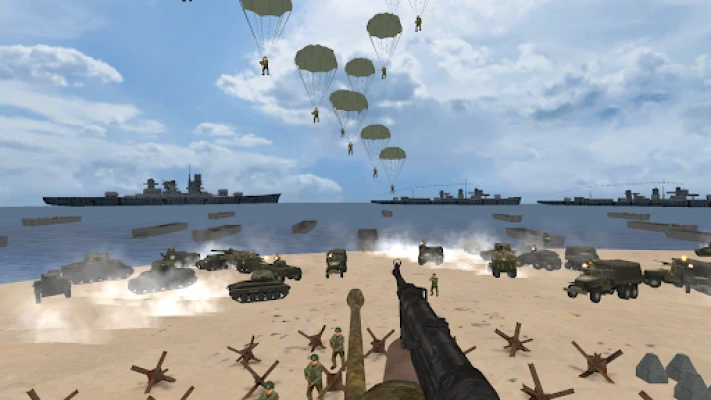
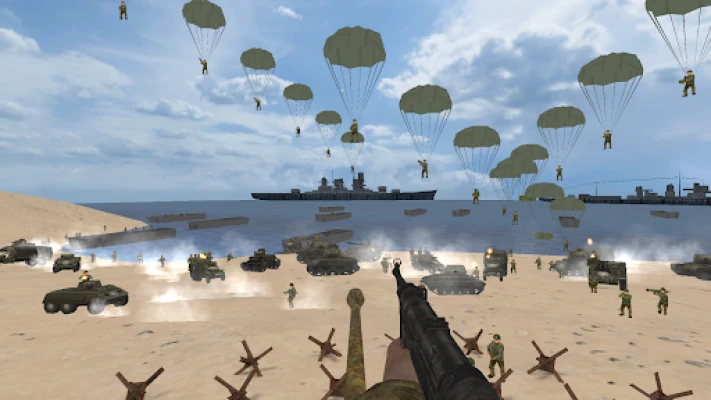
The amphibious landings were preceded by extensive aerial and naval bombardments, designed to weaken German defenses. In a daring move, 24,000 American, British, and Canadian airborne troops launched an airborne assault shortly after midnight, landing behind enemy lines to secure key positions and disrupt German communications.
The Landings: A Grueling Battle on the Beaches
At 06:30, Allied infantry and armored divisions began their assault on the French coast. The targeted 50-mile stretch of the Normandy coast was divided into five sectors: Utah, Omaha, Gold, Juno, and Sword. However, strong winds caused the landing craft to drift east of their intended positions, particularly affecting the landings at Utah and Omaha.
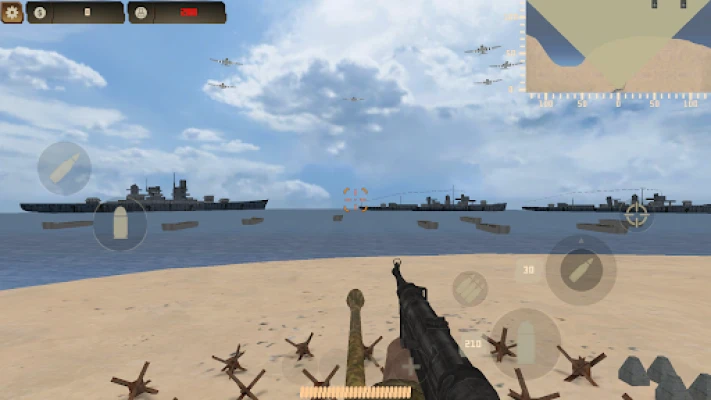
As the men disembarked, they faced a hail of gunfire from well-fortified German positions overlooking the beaches. The shore was heavily mined and littered with obstacles, including wooden stakes, metal tripods, and barbed wire, complicating the efforts of beach-clearing teams. The situation was dire, especially at Omaha Beach, where high cliffs provided a strategic advantage to German defenders.
Heavy Casualties and Fierce Resistance
Casualties were particularly severe at Omaha Beach, where the combination of terrain and enemy fire created a deadly environment. In contrast, at Gold, Juno, and Sword beaches, Allied forces engaged in intense house-to-house fighting to clear several fortified towns. Notably, specialized tanks played a crucial role in disabling two major gun emplacements at Gold, showcasing the innovative tactics employed by the Allies.
The Aftermath: A Turning Point in WWII
The Normandy invasion marked a significant turning point in World War II. Despite the heavy losses and fierce resistance, the successful landings established a crucial foothold in Europe for the Allies. This operation not only demonstrated the effectiveness of strategic planning and deception but also highlighted the bravery and determination of the soldiers involved.
Conclusion: The Legacy of D-Day
The D-Day invasion remains one of the most studied military operations in history, serving as a testament to the complexities of warfare and the importance of strategic planning. The lessons learned from this monumental event continue to influence military tactics and strategies to this day. As we reflect on the bravery of those who fought on the beaches of Normandy, we honor their legacy and the pivotal role they played in shaping the course of history.
Rate the App
User Reviews















Popular Apps










Editor's Choice