

Latest Version
2.0.3
August 18, 2024
One more turn
Games
iOS
156.1 MB
0
Free
Report a Problem
More About BC4000 - Civilization Model
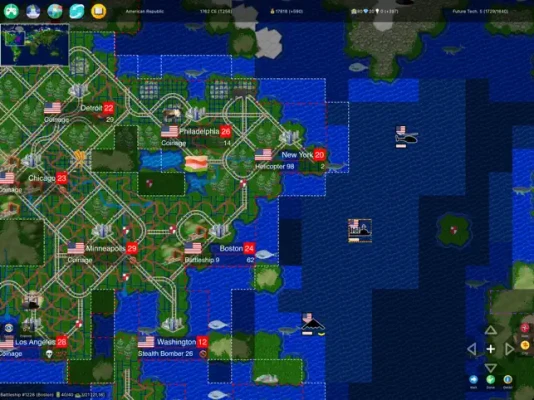
Exploring the Innovative Simulation Strategy Inspired by Sid Meier's Civilization
The realm of simulation strategy games has evolved significantly, drawing inspiration from iconic titles like Sid Meier's Civilization. This article delves into the unique logic and user interaction concepts that shape modern simulation games, highlighting their reliance on public domain resources and the importance of user data protection.
The Legacy of Civilization: A Foundation for Modern Games
Sid Meier's Civilization has set a benchmark in the gaming industry, blending strategic gameplay with rich historical narratives. The game's mechanics encourage players to build and expand their empires, making critical decisions that affect their civilization's trajectory. This foundational approach has influenced contemporary simulation games, which aim to replicate the engaging experience that Civilization offers.
User Interaction: A Key Component of Engagement
Modern simulation games prioritize user interaction, allowing players to immerse themselves in the gameplay. By incorporating intuitive interfaces and responsive design, these games create a dynamic environment where players can make strategic choices that impact their virtual worlds. The interactive elements not only enhance user experience but also foster a sense of community among players.
Utilizing Public Domain Resources
One of the remarkable aspects of contemporary simulation games is their use of graphics, music, maps, and text materials sourced from public domain licenses, such as Creative Commons and General Public License. This approach not only enriches the gaming experience but also ensures that developers can create engaging content without infringing on copyright laws. By leveraging these resources, game developers can focus on innovation while providing players with a visually and audibly captivating experience.
Understanding Data Usage and Protection
As players engage with simulation games, concerns about data privacy and usage have become increasingly prominent. It is essential for users to understand how their data is collected, used, and protected. Developers are encouraged to provide clear and transparent service terms and privacy policies, ensuring that players feel secure while enjoying their gaming experience.
For detailed information on how the app operates and the measures taken to protect user data, players should review the following:
The Future of Simulation Strategy Games
As technology continues to advance, the future of simulation strategy games looks promising. Developers are exploring new ways to enhance user interaction, integrate advanced graphics, and utilize artificial intelligence to create more immersive experiences. The legacy of games like Civilization will undoubtedly influence the next generation of simulation games, ensuring that strategic gameplay remains at the forefront of the gaming industry.
Conclusion
In summary, the simulation strategy genre owes much of its success to the pioneering work of Sid Meier's Civilization. By focusing on user interaction, utilizing public domain resources, and prioritizing data protection, modern games are poised to deliver engaging and secure experiences for players. As the industry evolves, it will be exciting to see how these elements continue to shape the future of gaming.
Rate the App
User Reviews















Popular Apps










Editor's Choice