

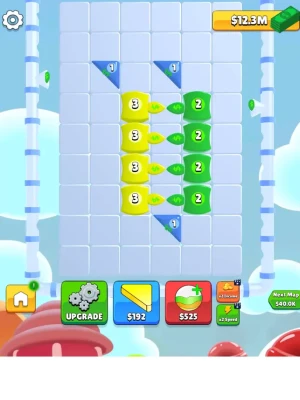
Latest Version
80
January 02, 2025
Amaze the Maze!
Games
iOS
310.4 MB
0
Free
Report a Problem
More About Ball Maze Maker
Create the Ultimate Maze to Imprison the Balls!
Designing a maze can be an exciting and challenging endeavor, especially when the goal is to confine balls within its intricate pathways. Whether you’re creating a physical maze for a game or a digital version for an app, understanding the principles of maze design is crucial. This article will guide you through the process of creating a captivating maze that effectively traps balls, ensuring both fun and functionality.
Understanding the Basics of Maze Design
Before diving into the creation process, it’s essential to grasp the fundamental concepts of maze design. A maze is a complex network of paths and walls, where the objective is to navigate from a starting point to an endpoint. In this case, the challenge is to design a maze that confines balls within its structure.
Choosing the Right Materials
When constructing a physical maze, the choice of materials plays a significant role in the overall design. Here are some options to consider:
- Cardboard: Lightweight and easy to manipulate, cardboard is an excellent choice for creating temporary mazes.
- Wood: For a more durable structure, wooden panels can be used to build a robust maze.
- Plastic: Flexible and weather-resistant, plastic can be ideal for outdoor mazes.
Designing the Maze Layout
The layout of your maze is crucial for its effectiveness. Here are some tips to create an engaging maze:
- Start Simple: Begin with a basic design and gradually add complexity. This approach helps in understanding how the balls will navigate through the maze.
- Incorporate Dead Ends: Dead ends add an element of surprise and challenge, making the maze more engaging.
- Vary Path Widths: Different path widths can create a sense of urgency and excitement as the balls navigate through the maze.
Implementing Ball Trapping Mechanisms
To effectively imprison the balls within the maze, consider incorporating various trapping mechanisms:
- Slopes and Inclines: Use slopes to guide the balls into specific areas of the maze, making it harder for them to escape.
- Barriers: Strategically placed barriers can redirect the balls and prevent them from finding an exit.
- Traps: Create sections of the maze that temporarily hold the balls, adding an element of strategy to the design.
Testing Your Maze
Once your maze is constructed, it’s time to test its functionality. Here’s how to ensure it works as intended:
- Run Simulations: Use balls of different sizes to see how they navigate through the maze. This will help identify any areas that need adjustment.
- Gather Feedback: Invite friends or family to try out the maze and provide feedback on their experience.
- Make Adjustments: Based on testing and feedback, make necessary changes to improve the maze’s design and functionality.
Enhancing the Maze Experience
To elevate the overall experience of your maze, consider adding interactive elements:
- Lighting: Incorporate LED lights to illuminate the maze, creating a visually appealing environment.
- Sound Effects: Adding sound effects can enhance the atmosphere and make the maze more immersive.
- Challenges and Rewards: Introduce challenges within the maze that offer rewards, encouraging players to engage more deeply with the experience.
Conclusion
Creating a maze to imprison balls is not only a fun project but also a fantastic way to explore design principles and problem-solving skills. By understanding the basics of maze design, choosing the right materials, and implementing effective trapping mechanisms, you can craft an engaging and challenging maze. Remember to test your design and gather feedback to ensure it provides an enjoyable experience. With creativity and careful planning, your maze will captivate players and keep the balls securely within its walls!
Rate the App
User Reviews














Popular Apps










Editor's Choice