
Latest Version
1.5.5
June 06, 2026
NomnomNami
Games
Android
0
Free
com.nomnomnami.astrasgarden
Report a Problem
More About Astra's Garden
Exploring the Depths of Emotion: A Journey Through a Game's Narrative
Video games have evolved into a powerful medium for storytelling, often tackling profound themes that resonate with players on a personal level. One such game, crafted by the talented NomnomNami, delves into heavy topics such as chronic illness and death. This article explores the emotional landscape of the game, its artistic elements, and the importance of its narrative in the gaming world.
The Power of Storytelling in Gaming
In recent years, the gaming industry has witnessed a significant shift towards narratives that challenge players to confront difficult subjects. Games are no longer just about entertainment; they serve as a platform for exploring complex human experiences. The story crafted by NomnomNami exemplifies this trend, inviting players to engage with themes that are often overlooked in traditional media.
Understanding Chronic Illness Through Gameplay
Chronic illness is a topic that affects millions worldwide, yet it remains shrouded in stigma and misunderstanding. This game addresses these issues head-on, providing players with a unique perspective on the struggles faced by those living with long-term health conditions. Through its narrative, players gain insight into the emotional and physical challenges that accompany chronic illness, fostering empathy and understanding.
Confronting the Reality of Death
Death is an inevitable part of life, yet it is often a subject that people shy away from discussing. The game’s narrative does not shy away from this reality; instead, it embraces it, encouraging players to reflect on their own experiences with loss. By weaving this theme into the gameplay, NomnomNami creates a poignant experience that resonates deeply with players, prompting them to consider their own relationships and the fragility of life.
Artistic Expression: A Visual and Auditory Journey
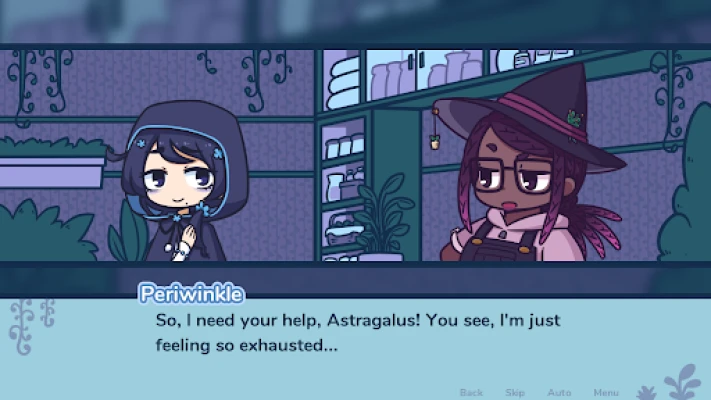
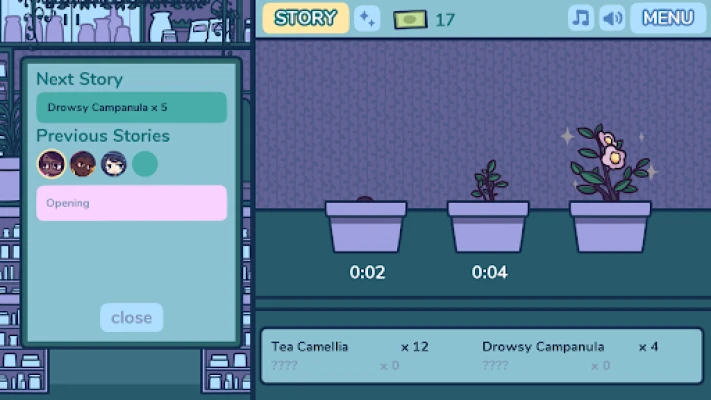
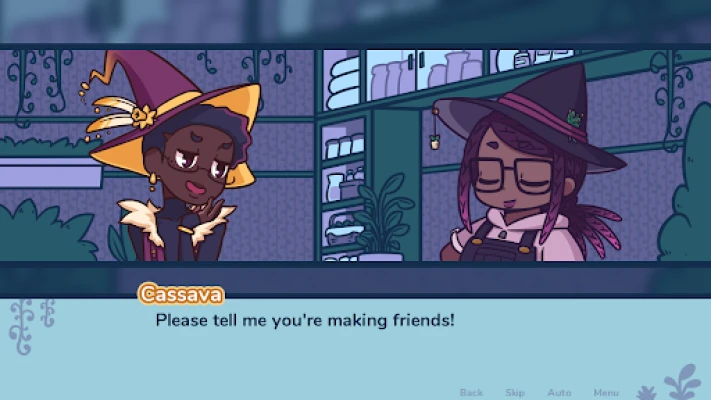
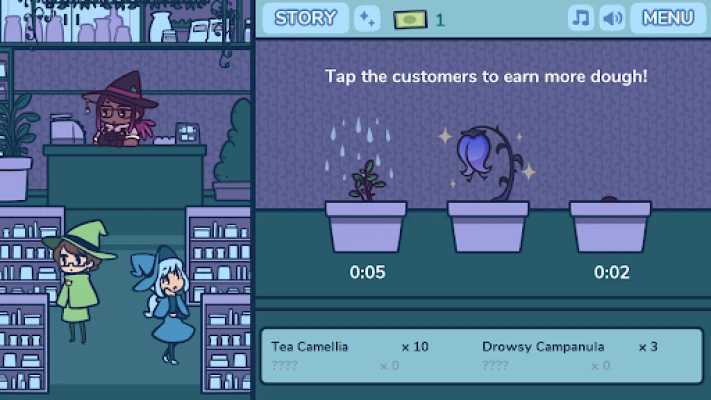
The artistic elements of the game play a crucial role in conveying its emotional depth. NomnomNami’s unique art style complements the narrative, using visuals to enhance the storytelling experience. The color palette, character design, and environmental details work together to create an immersive world that reflects the game’s themes.
Additionally, the music composed for the game adds another layer of emotional resonance. The soundtrack captures the essence of the story, guiding players through moments of joy, sorrow, and reflection. This harmonious blend of art and music elevates the overall experience, making it unforgettable.
Translations: Making the Story Accessible
To reach a broader audience, the game has been translated into multiple languages, ensuring that its powerful message resonates with players around the globe. The dedication of translators such as José Jil Tudela (Spanish), Yuri Akuto (French), and Antonio Moss (German) exemplifies the commitment to making this narrative accessible to diverse audiences. This inclusivity allows players from various backgrounds to engage with the story, fostering a global conversation about the themes presented.
Community and Support: A Shared Experience
The game has sparked discussions within the gaming community, creating a space for players to share their own experiences with chronic illness and loss. This sense of community is vital, as it provides support and understanding for those who may feel isolated in their struggles. By sharing their stories, players contribute to a collective narrative that emphasizes the importance of empathy and connection.
Conclusion: The Impact of Meaningful Narratives
As the gaming industry continues to evolve, the importance of meaningful narratives cannot be overstated. Games like the one created by NomnomNami challenge players to confront difficult topics, fostering empathy and understanding in a way that few other mediums can. By exploring themes of chronic illness and death, this game not only entertains but also educates, leaving a lasting impact on its audience.
In a world where storytelling is more important than ever, this game stands as a testament to the power of narrative in gaming. It encourages players to reflect on their own lives and the lives of others, ultimately promoting a deeper understanding of the human experience.
Rate the App
User Reviews











Popular Apps









Editor's Choice