
Latest Version
1.1
March 07, 2025
AR LIVE Solar System
Games
iOS
448.9 MB
0
Free
Report a Problem
More About AR LIVE Solar System
Exploring the Universe: Augmented Reality in Education for the Solar System
In recent years, the integration of technology in education has transformed the way students learn and engage with complex subjects. One of the most exciting advancements is the use of augmented reality (AR) to explore the solar system. This innovative approach not only captivates students' imaginations but also enhances their understanding of astronomical concepts. In this article, we will delve into how augmented reality is revolutionizing education about the solar system, its benefits, and how it can be effectively implemented in classrooms.
What is Augmented Reality?
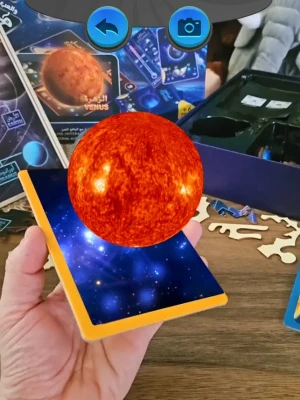
Augmented reality is a technology that overlays digital information—such as images, sounds, and text—onto the real world, enhancing the user's perception of their environment. Unlike virtual reality, which creates a completely immersive experience, AR allows users to interact with both the physical and digital worlds simultaneously. This unique feature makes AR an ideal tool for educational purposes, particularly in subjects like astronomy.
The Benefits of Augmented Reality in Learning About the Solar System
Utilizing augmented reality in education offers numerous advantages, especially when it comes to teaching about the solar system. Here are some key benefits:
1. Enhanced Engagement
AR captures students' attention by providing interactive and visually stimulating experiences. When learners can visualize planets, stars, and other celestial bodies in 3D, their interest in the subject matter increases significantly. This heightened engagement leads to better retention of information and a deeper understanding of complex astronomical concepts.
2. Improved Spatial Awareness
Understanding the vastness of the solar system can be challenging for students. Augmented reality helps bridge this gap by allowing learners to visualize the relative sizes and distances of planets. By manipulating 3D models, students can gain a clearer perspective of how the solar system is structured, fostering better spatial awareness.
3. Interactive Learning Experiences
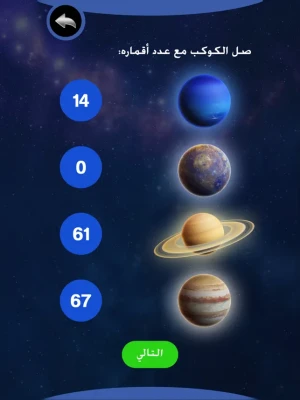
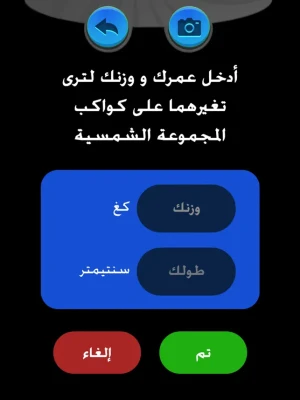
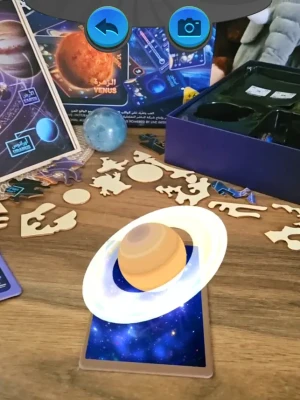
AR enables students to interact with digital representations of celestial bodies. For instance, they can explore the surface of Mars, examine the rings of Saturn, or even simulate a journey through the Milky Way. This hands-on approach encourages active participation, making learning more enjoyable and effective.
4. Accessibility and Inclusivity
Augmented reality applications can cater to diverse learning styles and needs. Visual learners benefit from the vivid imagery, while kinesthetic learners engage through interactive elements. Additionally, AR can be adapted for students with disabilities, ensuring that everyone has the opportunity to explore and learn about the solar system.
Implementing Augmented Reality in the Classroom
To effectively incorporate augmented reality into the curriculum, educators can follow these steps:
1. Choose the Right AR Tools
There are various AR applications and platforms available for educational purposes. Educators should select tools that align with their learning objectives and are user-friendly for both teachers and students. Popular options include Google Expeditions, Merge Cube, and NASA's AR app, which provide immersive experiences related to the solar system.
2. Integrate AR into Lesson Plans
Incorporating AR into lesson plans requires thoughtful integration. Educators can design activities that complement traditional teaching methods, such as lectures or textbook readings. For example, after a lesson on the planets, students can use AR to explore each planet's unique features, enhancing their understanding through interactive experiences.
3. Encourage Collaboration
AR can foster collaboration among students. Group activities that involve exploring the solar system using AR tools encourage teamwork and communication. Students can work together to solve problems, share discoveries, and present their findings, promoting a collaborative learning environment.
4. Assess Learning Outcomes
To measure the effectiveness of augmented reality in teaching about the solar system, educators should assess learning outcomes. This can be done through quizzes, projects, or presentations that require students to demonstrate their understanding of the material. Feedback from students can also provide insights into their experiences and the impact of AR on their learning.
Challenges and Considerations
While augmented reality offers exciting opportunities for education, there are challenges to consider:
1. Technology Access
Not all schools have access to the necessary technology for AR experiences. Educators must consider the availability of devices and internet connectivity when planning lessons. Schools can explore partnerships with tech companies or seek grants to acquire the required resources.
2. Teacher Training
Effective implementation of AR in the classroom requires proper training for educators. Teachers should be familiar with the technology and its applications to maximize its potential. Professional development programs can help educators gain the skills needed to integrate AR into their teaching practices.
Conclusion
Augmented reality is transforming the way students learn about the solar system, making complex astronomical concepts accessible and engaging. By enhancing engagement, improving spatial awareness, and providing interactive learning experiences, AR is revolutionizing education. As educators embrace this technology, they can inspire the next generation of astronomers and space enthusiasts. With careful planning and implementation, augmented reality can become a powerful tool in the quest to explore the universe.
Rate the App
User Reviews














Popular Apps










Editor's Choice