
Latest Version
1.0.4
February 16, 2025
Collision avoidance simulator
Games
iOS
5.9 MB
0
Free
Report a Problem
More About AntiCollision
Enhance Your Navigational Skills with an Advanced ARPA Simulator
For junior deck officers preparing for their maritime exams, gaining hands-on experience in navigating close-quarter situations with other vessels is crucial. An advanced ARPA (Automatic Radar Plotting Aid) simulator serves as an invaluable tool in this regard, allowing users to develop their skills in a controlled environment.
Maximize Your Learning with Target Activation
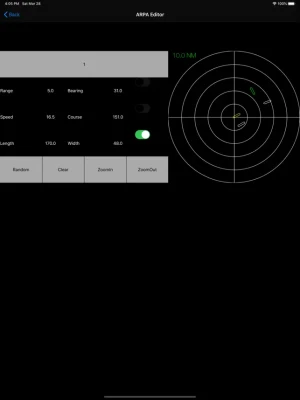
The ARPA simulator enables users to activate up to six targets, each customizable in terms of range, bearing, course, and speed. This flexibility allows junior officers to simulate various scenarios and understand the dynamics of maritime navigation better. Alternatively, users can opt for the app to generate random parameters for a more unpredictable training experience.
Pre-Defined Scenarios for Realistic Training
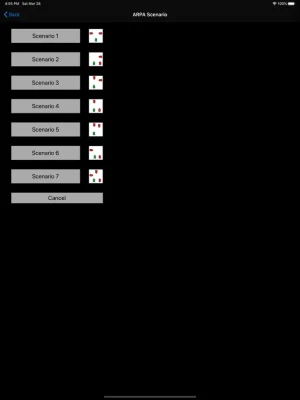
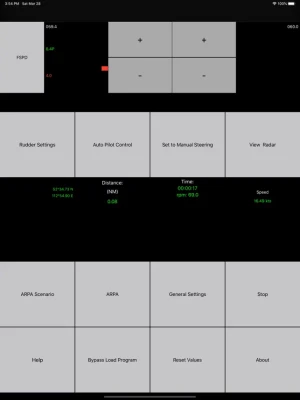
One of the standout features of the ARPA simulator is its scenario chooser, which includes seven pre-defined scenarios. Selecting a scenario automatically sets up target ships, placing your vessel in a close-quarter situation. This realistic setup challenges users to make critical decisions to ensure their ship's safety. The simulator provides control over the main engine, allowing for both autopilot and manual steering options.
Choose Your Ship Model: VLCC Options
The simulator features a Very Large Crude Carrier (VLCC) model, which can be configured to represent either a fully loaded or ballast condition. This versatility helps users understand how different loading conditions affect ship handling and maneuverability.
Save Your Progress with Target Data
Any target data entered into the ARPA unit for the six ships is saved within the app, ensuring that users can pick up where they left off during their next session. This feature promotes continuous learning and allows for the analysis of past decisions and outcomes.
Comprehensive RADAR View for Enhanced Situational Awareness
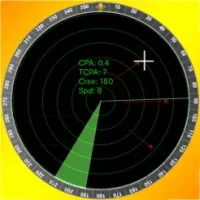
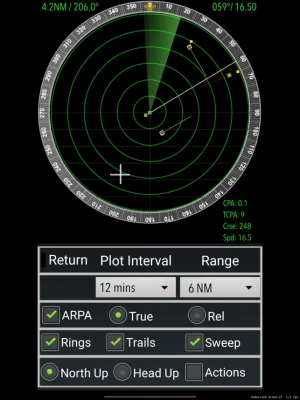
The RADAR view in the simulator displays all activated targets on-screen, offering options for both relative and true motion perspectives. Users can utilize the cursor to gather vital information about Closest Point of Approach (CPA), Time to Closest Point of Approach (TCPA), course, and speed for each target. Additionally, the cursor provides range and bearing details for any selected target, enhancing situational awareness.
Visualize Movement with Trail Options
The RADAR system also includes a trail feature, allowing users to visualize the past tracks of both their own ship and the targets. This capability aids in understanding movement patterns and making informed navigational decisions.
Real-Time Ship Maneuvering Simulation
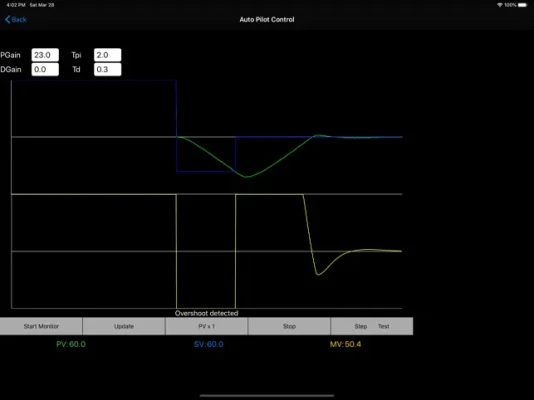
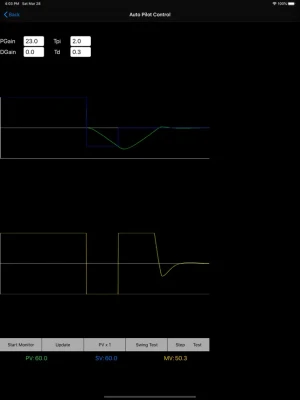
The app incorporates a real-time, accurate maneuvering model that closely simulates the behavior of a real ship. Users can customize the autopilot unit, adjusting parameters to modify steering behavior and visualize the results through graphical representations. This feature is essential for understanding how different settings impact ship handling.
Customizable Rudder Settings for Enhanced Control
Users have the option to choose between one or two steering motors, allowing for tailored rudder settings. Additionally, the simulator enables users to set rudder limits and rate of turn limits when operating in autopilot mode, providing a comprehensive understanding of ship control dynamics.
Explore More with Our Tutorials
For those looking to deepen their understanding of maritime navigation and the use of the ARPA simulator, our blog offers a wealth of tutorials and resources. Visit mooringmarineconsultancy.wordpress.com to access valuable insights and enhance your learning experience.
In conclusion, the ARPA simulator is an essential tool for junior deck officers aiming to refine their navigational skills and prepare for their exams. With its customizable features, realistic scenarios, and comprehensive training capabilities, users can confidently approach real-world maritime challenges.
Rate the App
User Reviews















Popular Apps










Editor's Choice