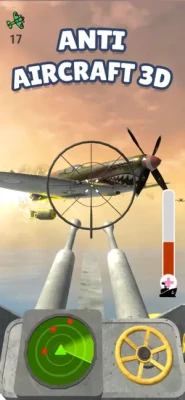
Latest Version
2.6
December 02, 2024
Ready for aircraft fight?
Games
iOS
151.2 MB
0
Free
Report a Problem
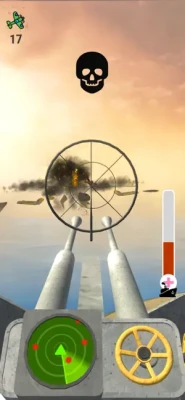
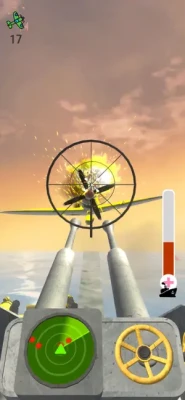
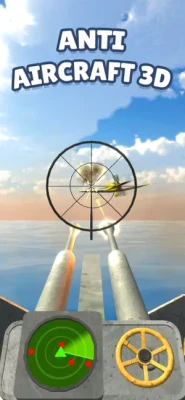
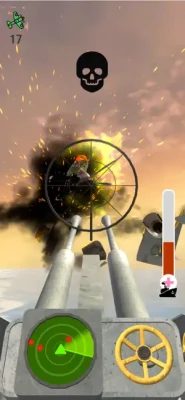
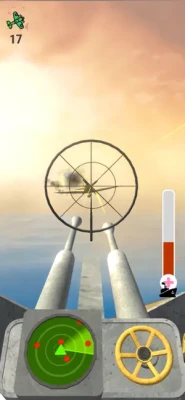
More About Anti Aircraft 3D
Master the Seas: Become the Ultimate Naval Commander
In the vast expanse of the oceans, where battles rage and empires rise and fall, the quest for supremacy is relentless. To be the ruler of the seas, one must possess not only strategic prowess but also an understanding of naval warfare dynamics. This article delves into the essential strategies and skills required to dominate maritime conflicts and emerge victorious.
The Importance of Naval Strategy
Naval strategy is the backbone of any successful maritime campaign. It involves the careful planning and execution of operations that can turn the tide of war. Understanding the geography of the seas, the capabilities of your fleet, and the strengths and weaknesses of your adversaries is crucial. Here are some key components of effective naval strategy:
- Intelligence Gathering: Knowledge is power. Gathering intelligence on enemy movements, fleet compositions, and potential vulnerabilities can provide a significant advantage.
- Resource Management: Efficiently managing resources, including ships, personnel, and supplies, ensures that your fleet remains operational and ready for battle.
- Adaptability: The ability to adapt to changing circumstances and unexpected challenges is vital. A successful commander must be flexible and ready to alter plans as needed.
Building a Powerful Fleet
To rule the seas, you need a formidable fleet. This involves not only acquiring advanced ships but also ensuring they are well-maintained and equipped with the latest technology. Consider the following aspects when building your naval force:
- Diverse Ship Types: A balanced fleet should include various ship types, such as aircraft carriers, destroyers, submarines, and support vessels. Each type plays a unique role in naval operations.
- Technological Advancements: Invest in cutting-edge technology, including radar systems, missile defense, and communication tools. Staying ahead in technology can provide a decisive edge in combat.
- Training and Morale: A well-trained crew is essential for effective operations. Regular drills and maintaining high morale among personnel can significantly enhance performance during engagements.
Mastering Naval Tactics
Naval tactics are the specific actions taken during battles to achieve strategic objectives. Understanding and mastering these tactics can lead to overwhelming victories. Here are some essential tactics to consider:
- Flanking Maneuvers: Outflanking the enemy can create opportunities for surprise attacks and disrupt their formations.
- Hit-and-Run Strategies: Employing hit-and-run tactics allows smaller vessels to engage larger fleets without sustaining heavy losses.
- Blockades: Establishing a blockade can restrict enemy movement and supply lines, weakening their operational capabilities over time.
Understanding Maritime Geography
Geography plays a crucial role in naval warfare. Knowledge of the seas, including currents, tides, and weather patterns, can influence battle outcomes. Here’s how to leverage geography to your advantage:
- Utilizing Natural Features: Use islands, reefs, and other natural features to create defensive positions or ambush points.
- Weather Conditions: Monitor weather patterns to time your operations effectively. Storms can provide cover for surprise attacks or hinder enemy movements.
- Strategic Ports: Control over key ports can enhance supply lines and provide safe havens for your fleet.
Building Alliances and Diplomacy
In the realm of naval warfare, alliances can be as powerful as a well-equipped fleet. Building strong relationships with other nations can provide additional resources and support. Consider the following diplomatic strategies:
- Joint Exercises: Conduct joint naval exercises with allies to enhance interoperability and strengthen partnerships.
- Mutual Defense Treaties: Establish treaties that ensure mutual support in times of conflict, deterring potential aggressors.
- Trade Agreements: Foster economic ties that can lead to stronger political alliances, creating a united front against common threats.
Conclusion: Seize Control of the Seas
To become the ruler of the seas, one must master the art of naval warfare through strategic planning, fleet management, tactical execution, and diplomatic relations. By understanding the complexities of maritime conflicts and leveraging the right resources, you can position yourself as a formidable force on the water. Embrace the challenge, refine your skills, and prepare to dominate the oceans.
Rate the App
User Reviews








![[Premium] RPG Spirit Valor](https://app-corner.com/images/17793864265298365.webp)






Popular Apps










Editor's Choice