Latest Version
1.0
November 05, 2024
CIWS Air Assault Defense Game
Games
iOS
139.4 MB
1
Free
Report a Problem
More About Anti Air Force C-Ram Simulator
Ultimate Guide to Anti-Aircraft Defense Systems: Protect Your Base Effectively
In an era where aerial threats are increasingly sophisticated, having a robust anti-aircraft defense system is crucial for safeguarding your base. This article delves into the essential features of modern anti-aircraft systems, highlighting their capabilities and the strategic advantages they offer in combat scenarios.
Comprehensive Anti-Aircraft Defense Systems
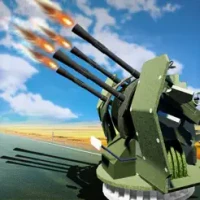
Modern military operations require a multi-layered approach to air defense. The integration of various anti-aircraft systems ensures comprehensive protection against a range of aerial threats. These systems are designed to work in unison, providing a formidable barrier against enemy incursions.
Defend Against Diverse Aerial Threats
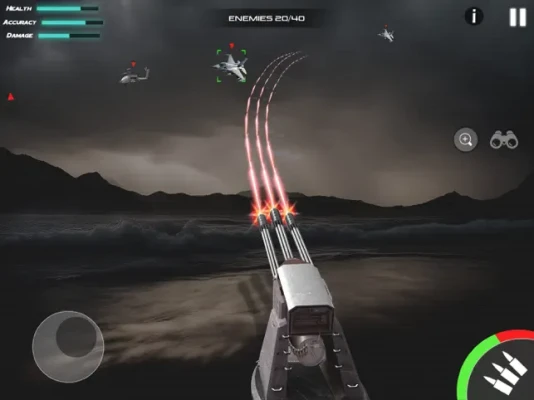
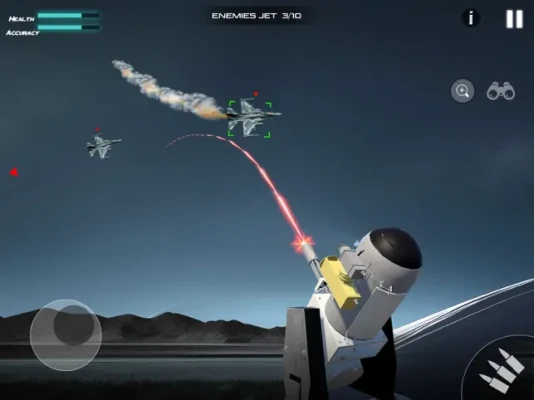
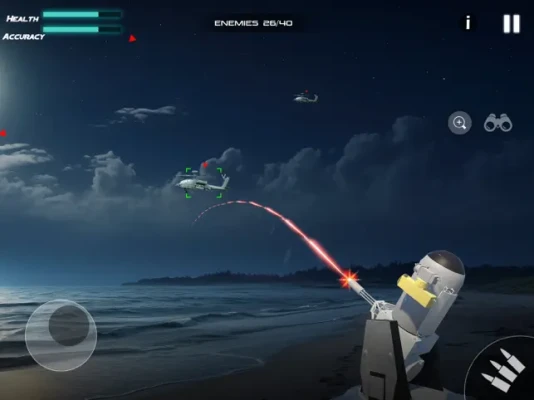
One of the standout features of advanced anti-aircraft systems is their ability to defend against a variety of aerial threats, including:
- Fighter jets
- Drones
- Attack helicopters
Each of these threats poses unique challenges, and a well-equipped defense system can adapt to counteract them effectively. By employing a combination of radar technology and missile systems, these defenses can detect and neutralize threats before they reach their targets.
Immersive Graphics and Realistic Battle Environments
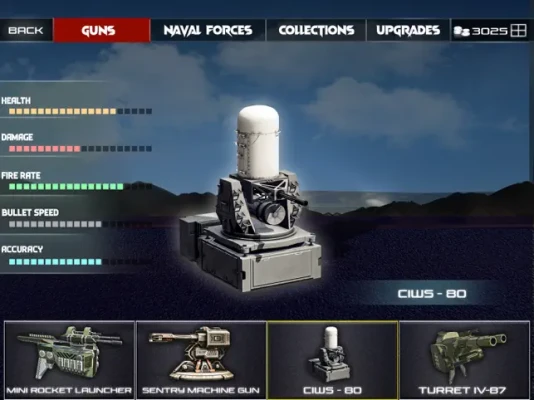
In addition to their functional capabilities, modern anti-aircraft systems often feature stunning graphics and realistic battle environments. This not only enhances the user experience but also provides operators with a clear understanding of the battlefield dynamics. High-quality visuals allow for better situational awareness, enabling more informed decision-making during critical moments.
Strategic Target Engagement
Effective air defense is not just about having the right equipment; it’s also about employing strategic tactics. Advanced anti-aircraft systems are equipped with heavy firing capabilities, allowing operators to engage airborne targets with precision. This capability is essential for:
- Maximizing hit probability
- Minimizing collateral damage
- Ensuring rapid response times
By strategically shooting down airborne threats, military forces can maintain air superiority and protect vital assets on the ground.
Challenging Airborne Shooting Missions
For those involved in military training or simulation, the inclusion of challenging airplane shooting missions is a key feature. These missions are designed to test and enhance the skills of operators, providing realistic scenarios that mimic actual combat conditions. Engaging in these missions helps to:
- Improve reaction times
- Refine targeting skills
- Enhance teamwork and coordination
As operators face increasingly difficult challenges, they become better prepared to handle real-world threats, ensuring that they can defend their bases effectively.
Conclusion: The Importance of Advanced Anti-Aircraft Systems
In conclusion, the integration of multiple anti-aircraft defense systems is essential for modern military operations. With the ability to defend against a variety of aerial threats, stunning graphics that enhance situational awareness, and strategic engagement capabilities, these systems play a vital role in maintaining air superiority. Furthermore, the inclusion of challenging missions ensures that operators are well-prepared to face any threat that may arise. Investing in advanced anti-aircraft systems is not just a tactical decision; it is a strategic necessity for any military force aiming to protect its assets and personnel.
Rate the App
User Reviews















Popular Apps










Editor's Choice