Latest Version
1.3.3
January 27, 2025
Driving sim & car parking 2021
Games
iOS
1.7 GB
0
Free
Report a Problem
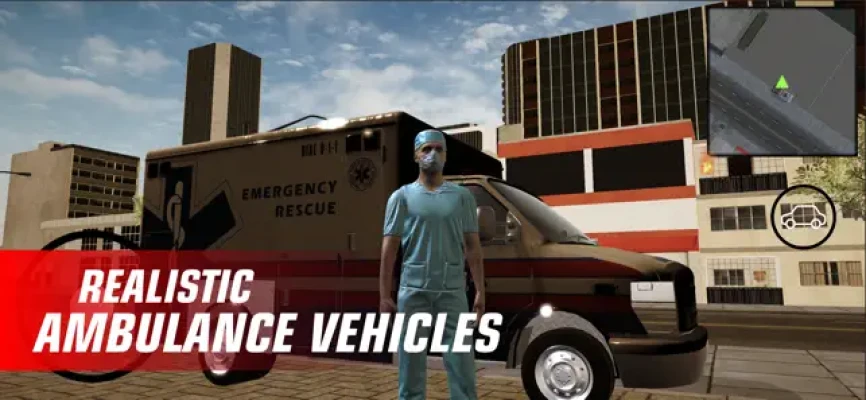
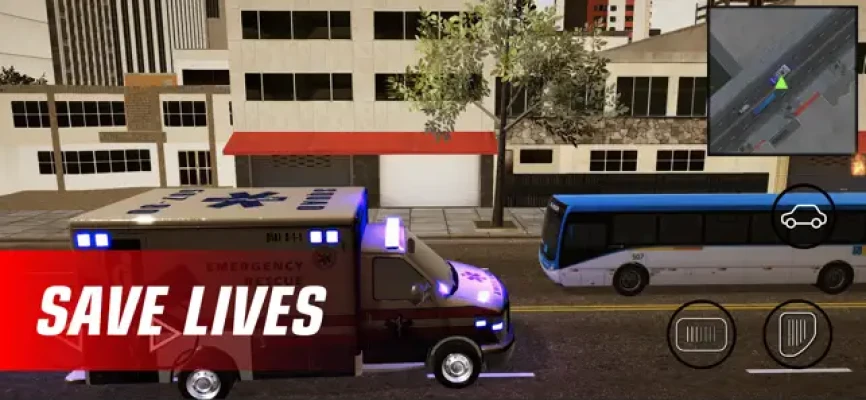
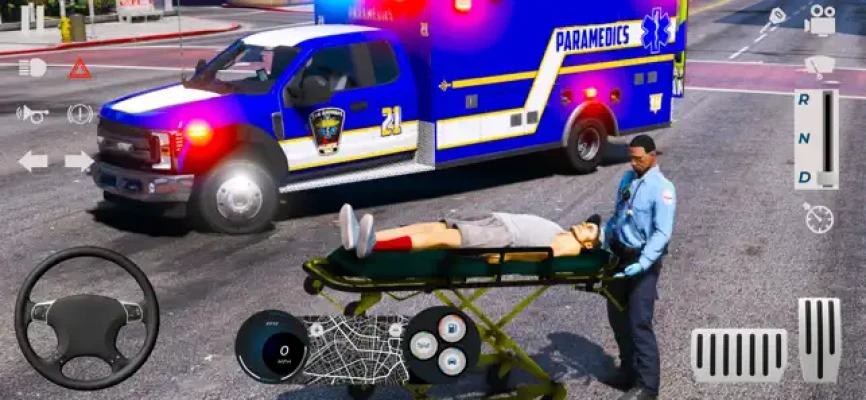
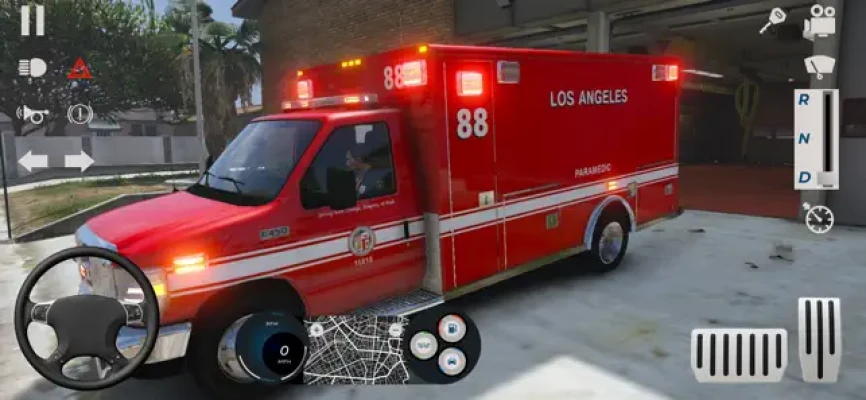
More About Ambulance city car simulator
The Essential Guide to Triage: Saving Lives in Critical Situations
Understanding the principles of triage is crucial for anyone involved in emergency response, whether you're a medical professional, a first responder, or a concerned citizen. This article delves into the importance of triage in real-world scenarios, emphasizing how it can make a difference in saving lives.
What is Triage and Why is it Important?
Triage is a systematic process used to assess and prioritize patients based on the severity of their condition. In emergency situations, especially during mass casualty incidents, effective triage can mean the difference between life and death. By categorizing victims according to their medical needs, responders can allocate resources efficiently and ensure that those who require immediate attention receive it without delay.
Understanding the Triage Categories
The triage system typically uses color codes to classify victims:
- Red (Immediate): These individuals require immediate medical attention. Their injuries are life-threatening, and without prompt intervention, their chances of survival diminish rapidly.
- Yellow (Delayed): Victims in this category have serious injuries but are stable enough to wait for treatment. Their condition could worsen if not monitored closely.
- Green (Minor): These individuals have minor injuries and can wait for treatment. They are often referred to as the "walking wounded."
- Black (Deceased): Unfortunately, this category is for those who are deceased or have injuries so severe that they are not expected to survive, even with medical intervention.
Making Tough Decisions: The Reality of Triage
One of the most challenging aspects of triage is making difficult decisions about who receives care first. In some cases, a victim may appear to be stable but may need to be marked as "black" if their injuries are beyond help. This decision can weigh heavily on responders, but it is essential for maximizing the overall survival rate of the group.
For instance, a victim categorized as "yellow" may seem to be in good condition initially. However, if their wounds are not protected and monitored, their status could quickly deteriorate to "red." This highlights the importance of continuous assessment and vigilance in emergency situations.
Protecting Victims: The Role of First Responders
First responders play a critical role in ensuring that victims receive the care they need. This includes:
- Assessing the Scene: Quickly evaluating the situation to determine the number of victims and the severity of their injuries.
- Applying First Aid: Providing immediate care to stabilize victims, such as controlling bleeding and protecting wounds.
- Monitoring Conditions: Keeping a close eye on the victims' conditions to identify any changes that may require a reassessment of their triage category.
Training and Preparedness: Essential for Effective Triage
To effectively implement triage in real-world scenarios, training is essential. Emergency responders should undergo regular training sessions to stay updated on the latest techniques and protocols. This training should include:
- Simulation Exercises: Practicing triage in simulated emergency situations to build confidence and improve decision-making skills.
- First Aid Certification: Ensuring that all responders are certified in basic first aid and CPR to provide immediate care.
- Continuous Education: Staying informed about advancements in emergency medicine and triage practices.
Conclusion: The Impact of Triage on Saving Lives
In conclusion, understanding and effectively implementing the triage system is vital for anyone involved in emergency response. The ability to assess and prioritize victims can significantly impact survival rates in critical situations. By recognizing the importance of each triage category and the need for continuous monitoring, responders can make informed decisions that ultimately save lives.
Whether you are a professional in the field or a layperson interested in emergency preparedness, knowledge of triage is an invaluable asset. Equip yourself with the skills and understanding necessary to act decisively in times of crisis, and you may find yourself in a position to save lives when it matters most.
Rate the App
User Reviews















Popular Apps










Editor's Choice