






Latest Version
3.1.8
November 14, 2024
Cattofun Games
Games
Android
0
Free
com.cattofun.calico.intl
Report a Problem
More About Airport Tycoon
Unlocking the Skies: A Comprehensive Guide to Aircraft Management and Air Traffic Control
In the dynamic world of aviation, the seamless operation of aircraft and airports is crucial. This article delves into the essential features of aircraft maintenance, air traffic control, and fleet management, providing insights into how these elements contribute to a thriving aviation environment.
Realistic Aircraft Maintenance: The Backbone of Aviation Safety
As a professional aircraft maintenance engineer, your role is pivotal in ensuring the safety and efficiency of every flight. Regular maintenance tasks, such as cleaning, de-icing, and engine disassembly, are not just routine; they are critical for the aircraft's performance. By adhering to stringent maintenance protocols, you can guarantee that each aircraft is ready for takeoff and landing, minimizing the risk of technical failures.
Engaging in realistic maintenance simulations allows you to experience the challenges and rewards of aircraft upkeep. From troubleshooting engine issues to performing detailed inspections, every task enhances your skills and prepares you for real-world scenarios. This immersive experience not only boosts your confidence but also reinforces the importance of safety in aviation.
Mastering Air Traffic Control: The Art of Managing Flight Operations
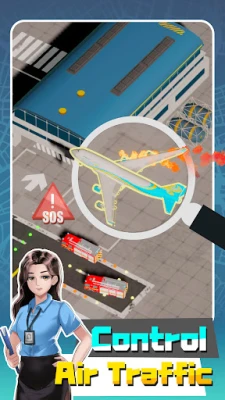
In the bustling environment of an airport, the role of air traffic control (ATC) is vital. As an ATC officer, you are responsible for managing the flow of air traffic, making critical decisions regarding flight arrivals and departures. Your ability to sort aircraft queues and alleviate congestion directly impacts flight efficiency and passenger satisfaction.
Effective air traffic management involves strategic planning and quick decision-making. By utilizing advanced technology and communication systems, you can streamline operations, reduce delays, and enhance overall airport revenue. The challenge lies in balancing safety with efficiency, ensuring that every aircraft reaches its destination on time while maintaining the highest safety standards.
Building Your Fleet: Become an Airport Tycoon
As you progress in your aviation career, the opportunity to build and expand your fleet becomes a reality. Through strategic contracting and management, you can develop domestic and international routes, establish cargo and VIP terminals, and even accommodate special aircraft like the Concorde, An-225, and C919.
Becoming an airport tycoon requires a keen understanding of market dynamics and passenger needs. By investing in infrastructure and optimizing operations, you can create a thriving airport that attracts more flights and passengers. The journey from a novice to a successful airport manager is filled with challenges, but the rewards of financial success and industry recognition are well worth the effort.
Conclusion: The Future of Aviation Management
The aviation industry is constantly evolving, and the roles of aircraft maintenance engineers, air traffic controllers, and airport managers are more critical than ever. By mastering the intricacies of aircraft maintenance, air traffic control, and fleet management, you position yourself at the forefront of this exciting field. Embrace the challenges, hone your skills, and unlock the potential of a successful career in aviation management.
Whether you are just starting or looking to advance your career, understanding these key features will empower you to make informed decisions and drive success in the aviation industry. The sky is not the limit; it’s just the beginning of your journey.
Rate the App
User Reviews















Popular Apps










Editor's Choice