





Latest Version
1.4
June 05, 2025
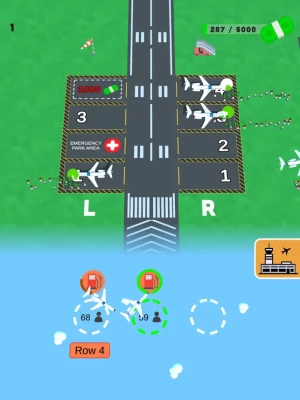
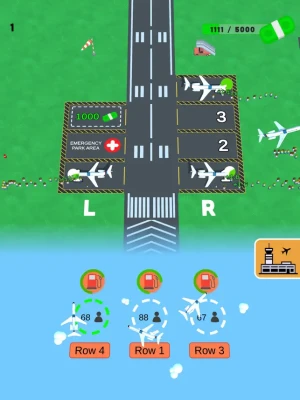
Manage Your Airport Traffic!
Games
iOS
118.5 MB
0
Free
Report a Problem
More About Airport Traffic
Transforming Airport Control Planes: Elevate Your Airport Experience
In the ever-evolving world of aviation, the efficiency and functionality of airport control planes play a crucial role in ensuring smooth operations. Upgrading your airport's control systems not only enhances the overall experience for passengers but also optimizes the workflow for air traffic controllers. This article delves into the importance of modernizing airport control planes and how it can lead to a happier, more efficient airport environment.
Understanding Control Planes in Aviation
Control planes are the backbone of airport operations, responsible for managing air traffic and ensuring safety in the skies. They facilitate communication between pilots and air traffic controllers, coordinating takeoffs, landings, and in-flight navigation. A well-functioning control plane is essential for minimizing delays and maximizing safety.
The Importance of Upgrading Airport Control Systems
As technology advances, so do the expectations of travelers and the demands placed on airport operations. Upgrading control systems can lead to significant improvements in various areas:
1. Enhanced Safety Measures
Modern control systems incorporate advanced technologies such as radar, satellite tracking, and automated systems that enhance safety protocols. By upgrading these systems, airports can reduce the risk of accidents and ensure that air traffic controllers have the most accurate information at their fingertips.
2. Improved Efficiency
Upgrading control planes can streamline operations, allowing for quicker decision-making and more efficient traffic management. This leads to reduced wait times for passengers and a smoother flow of aircraft in and out of the airport.
3. Better Passenger Experience
Travelers today expect a seamless experience from check-in to boarding. By investing in upgraded control systems, airports can minimize delays and improve overall service quality, leading to higher passenger satisfaction.
Key Features of Modern Control Systems
When considering an upgrade, it’s essential to focus on the features that will provide the most benefit:
1. Real-Time Data Analytics
Modern control systems utilize real-time data analytics to monitor air traffic patterns and predict potential delays. This proactive approach allows air traffic controllers to make informed decisions, enhancing operational efficiency.
2. Integrated Communication Systems
Upgraded control planes feature integrated communication systems that facilitate seamless interaction between pilots and ground control. This integration reduces the chances of miscommunication and enhances situational awareness.
3. Automation and AI
Artificial intelligence and automation are revolutionizing airport operations. By incorporating AI-driven tools, airports can automate routine tasks, allowing air traffic controllers to focus on more complex decision-making processes.
Steps to Upgrade Your Airport Control Planes
Upgrading airport control systems is a significant investment that requires careful planning and execution. Here are the steps to ensure a successful upgrade:
1. Assess Current Systems
Begin by evaluating the existing control systems to identify areas that require improvement. This assessment will help prioritize upgrades based on urgency and impact.
2. Research Modern Technologies
Stay informed about the latest advancements in aviation technology. Research various control systems and their features to determine which solutions align best with your airport's needs.
3. Collaborate with Experts
Engage with industry experts and technology providers to gain insights into the best practices for upgrading control planes. Their expertise can guide you in making informed decisions.
4. Implement Gradually
Consider a phased approach to implementation. Gradual upgrades allow for testing and adjustments, minimizing disruptions to airport operations.
5. Train Staff
Ensure that all personnel are adequately trained on the new systems. Comprehensive training programs will help staff adapt to changes and maximize the benefits of the upgraded technology.
Conclusion: A Happy Airport is a Successful Airport
Upgrading airport control planes is not just about technology; it’s about creating a better experience for everyone involved. By investing in modern control systems, airports can enhance safety, improve efficiency, and ultimately make travelers happier. As the aviation industry continues to grow, staying ahead of technological advancements will be key to maintaining a competitive edge and ensuring a seamless travel experience.
In conclusion, the journey to upgrade your airport's control planes is a vital step towards achieving operational excellence. Embrace the change, and watch your airport thrive!
Rate the App
User Reviews















Popular Apps










Editor's Choice