






Latest Version
1.0
June 09, 2025
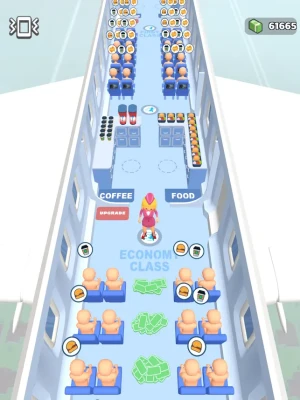
Manage the airplane
Games
iOS
122.3 MB
0
Free
Report a Problem
More About Airplane Manager!
Mastering Airplane Management: A Comprehensive Guide
In the fast-paced world of aviation, effective airplane management is crucial for ensuring a smooth and enjoyable experience for passengers. This guide will delve into the essential aspects of managing an aircraft, from ticket collection to meal distribution and aircraft upgrades. By mastering these elements, you can enhance operational efficiency and elevate passenger satisfaction.
Efficient Ticket Collection
One of the first steps in airplane management is the efficient collection of passengers' tickets. This process sets the tone for the entire journey and is vital for maintaining order and security. Here are some strategies to streamline ticket collection:
- Utilize Technology: Implement digital ticketing systems that allow passengers to check in online. This reduces wait times and minimizes the risk of human error.
- Train Staff Effectively: Ensure that your team is well-trained in ticket verification processes. This includes recognizing valid tickets and handling any discrepancies swiftly.
- Establish Clear Signage: Use clear and visible signs to guide passengers through the ticket collection process. This helps reduce confusion and enhances the overall experience.
Meal Distribution: Enhancing Passenger Experience
Meal distribution is another critical aspect of airplane management that can significantly impact passenger satisfaction. Here are some best practices to consider:
- Offer Diverse Menu Options: Cater to various dietary preferences and restrictions by providing a range of meal choices. This inclusivity can enhance the overall travel experience.
- Streamline Service: Organize meal distribution in a systematic manner. Consider serving meals based on passenger seating arrangements to ensure efficiency and minimize delays.
- Gather Feedback: After the flight, solicit feedback on meal quality and service. This information can help you make necessary adjustments for future flights.
Upgrading Your Aircraft: A Strategic Approach
Upgrading your aircraft is a significant investment that can yield substantial returns in terms of passenger comfort and operational efficiency. Here are some key considerations for successful aircraft upgrades:
- Assess Current Needs: Evaluate the current state of your aircraft and identify areas that require improvement. This could include seating arrangements, in-flight entertainment systems, or cabin amenities.
- Invest in Technology: Incorporate the latest technology to enhance passenger experience. This may involve upgrading Wi-Fi capabilities, entertainment systems, or even the aircraft's overall design.
- Focus on Sustainability: Consider eco-friendly upgrades that not only improve efficiency but also appeal to environmentally conscious travelers. This could include fuel-efficient engines or sustainable materials in cabin design.
Conclusion: The Importance of Comprehensive Airplane Management
Effective airplane management encompasses various elements, from ticket collection to meal distribution and aircraft upgrades. By implementing the strategies outlined in this guide, you can enhance operational efficiency and create a memorable experience for your passengers. Remember, the key to success lies in continuous improvement and adapting to the ever-evolving needs of travelers.
In the competitive aviation industry, mastering these aspects of airplane management will not only set you apart but also ensure that your passengers enjoy a seamless and enjoyable journey. Embrace these practices, and watch your airline soar to new heights.
Rate the App
User Reviews















Popular Apps










Editor's Choice