
Latest Version
1.1.4
December 02, 2025
Hola Games
Games
Android
0
Free
air.plane.idle.construct
Report a Problem
More About AirPlane Idle Construct
Build Your Dream Plane: A Comprehensive Guide to Aircraft Construction
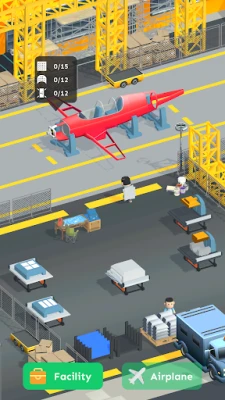
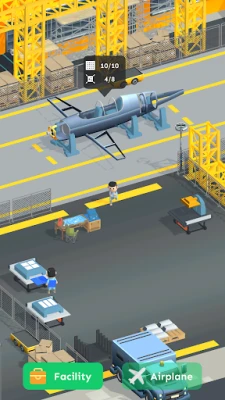
Creating your own aircraft is an exciting journey that combines engineering, creativity, and teamwork. This guide will walk you through the essential steps to build your plane, from the initial planning stages to the final assembly. Whether you're a hobbyist or an aspiring aviator, understanding the process will help you achieve your goal of constructing a functional aircraft.
Understanding the Basics of Aircraft Construction
Before diving into the construction process, it's crucial to grasp the fundamental concepts of aircraft design and engineering. Familiarize yourself with the various components of an aircraft, including the fuselage, wings, tail, and landing gear. Each part plays a vital role in the overall functionality and safety of the plane.
Planning Your Aircraft Project
Every successful project begins with a solid plan. Start by defining your objectives: What type of aircraft do you want to build? Will it be a glider, a light sport aircraft, or something more advanced? Research different designs and select one that aligns with your skills and resources.
Gathering Resources and Materials
Once you have a clear vision, it's time to gather the necessary materials. Depending on your design, you may need aluminum sheets, wood, composite materials, and various hardware components. Create a detailed list of all required items and source them from reputable suppliers to ensure quality.
Assembling Your Team
Building an aircraft is a complex task that often requires a team effort. Consider hiring skilled workers or enlisting friends who have experience in aviation or engineering. Collaborating with others can enhance efficiency and bring diverse skills to the project.
Upgrading Your Equipment
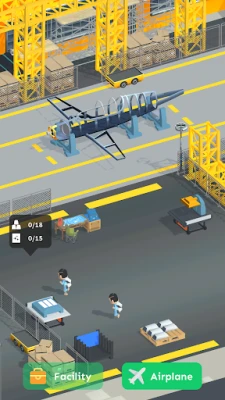
Investing in the right tools and equipment is essential for improving work efficiency. High-quality tools can make a significant difference in the precision and quality of your construction. Consider upgrading your workshop with items such as power tools, measuring instruments, and safety gear to ensure a smooth building process.
Step-by-Step Construction Process
With your plan in place and your team assembled, you can begin the construction process. Follow these steps to build your aircraft effectively:
1. Constructing the Fuselage
The fuselage is the main body of the aircraft, housing the cockpit and passenger area. Start by cutting and assembling the frame according to your design specifications. Ensure that all joints are secure and that the structure is sturdy enough to support the weight of the aircraft.
2. Building the Wings
Wings are crucial for generating lift. Follow the design plans to construct the wings, paying close attention to the airfoil shape and dimensions. Reinforce the wings with appropriate materials to ensure they can withstand aerodynamic forces during flight.
3. Installing the Tail Section
The tail section provides stability and control during flight. Assemble the horizontal and vertical stabilizers, ensuring they are aligned correctly with the fuselage. Proper installation is vital for maintaining balance and maneuverability.
4. Adding the Landing Gear
Landing gear is essential for takeoff and landing. Choose a design that suits your aircraft type, whether it be tricycle or tailwheel configuration. Ensure that the landing gear is robust and can absorb the impact during landings.
Final Assembly and Testing
Once all components are constructed, it's time for final assembly. Carefully attach the wings, tail, and landing gear to the fuselage. Double-check all connections and ensure that everything is secure.
Conducting Safety Checks
Before taking to the skies, conduct thorough safety checks. Inspect all systems, including control surfaces, fuel systems, and electrical components. It's crucial to ensure that your aircraft is safe and ready for flight.
Preparing for Your First Flight
After completing the assembly and safety checks, it's time to prepare for your first flight. Familiarize yourself with the aircraft's controls and systems. Consider conducting ground tests to ensure everything functions correctly before taking off.
Seeking Professional Guidance
If you're new to flying, seek guidance from experienced pilots or instructors. They can provide valuable insights and help you navigate the complexities of piloting your newly built aircraft.
Conclusion: Soaring to New Heights
Building your own plane is a rewarding endeavor that requires dedication, teamwork, and a passion for aviation. By following this comprehensive guide, you can transform your dream of aircraft construction into reality. Embrace the challenges, celebrate your achievements, and prepare to take to the skies in your very own aircraft!
Rate the App
User Reviews















Popular Apps










Editor's Choice