

Latest Version
2.2.0
August 19, 2024
Vladimir Jovanovic
Games
iOS
72.7 MB
0
Free
Report a Problem
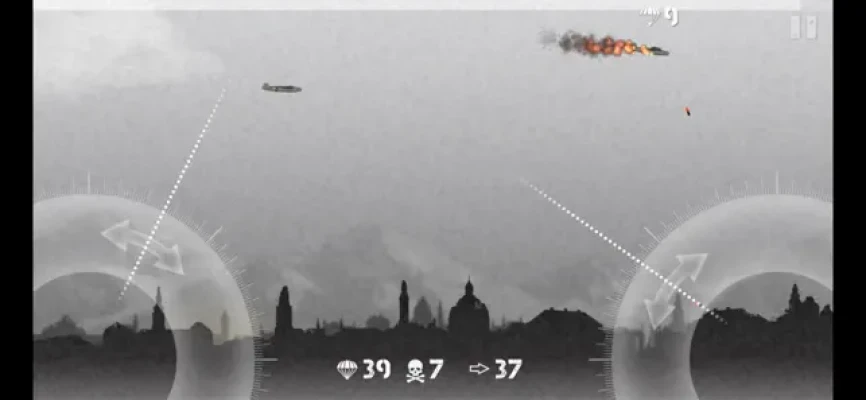
More About Air Defense Command
Defending Against Overwhelming Odds: A Call to Arms
In the face of adversity, when the odds seem insurmountable, the spirit of resistance ignites. The declaration of war is not merely a statement; it is a rallying cry for those who refuse to surrender. While victory may appear elusive, the fight for survival is paramount. This article explores the essence of defending your homeland against formidable adversaries and the strategies to engage in this desperate struggle.
The Reality of War: Understanding the Stakes
War is a harsh reality that brings with it a myriad of challenges. For a small nation facing a powerful enemy, the situation can feel dire. However, understanding the stakes involved can galvanize a nation’s resolve. The fight is not just for territory; it is for identity, freedom, and the future of generations to come.
Mobilizing the Nation: Unity in Adversity
In times of crisis, unity becomes the cornerstone of resistance. Citizens must come together, setting aside differences to form a cohesive front. This collective spirit can manifest in various forms, from volunteer efforts to organized defense strategies. Every individual has a role to play, whether on the front lines or supporting from the home front.
Strategic Defense: Utilizing Available Resources
When faced with overwhelming odds, it is crucial to maximize the use of available resources. Small nations often possess unique advantages, such as knowledge of the terrain and the ability to employ guerrilla tactics. By leveraging these strengths, defenders can create a formidable resistance against a larger force.
Engaging the Enemy: Air Defense Strategies
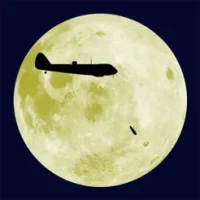
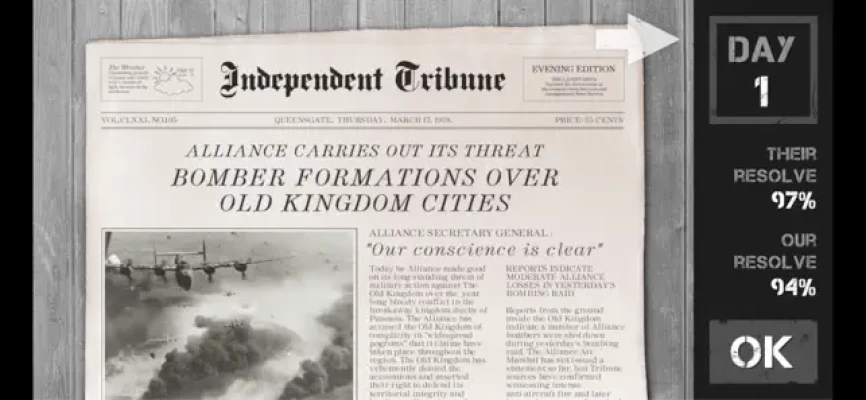
One of the most critical aspects of modern warfare is air superiority. For a small nation, shooting down enemy bombers can significantly impact the enemy's morale and operational capabilities. Implementing effective air defense strategies, such as utilizing advanced technology and training skilled personnel, can help level the playing field.
Ground Tactics: The Power of Asymmetrical Warfare
Asymmetrical warfare allows smaller forces to exploit the vulnerabilities of a larger enemy. This approach involves unconventional tactics, such as ambushes, sabotage, and hit-and-run attacks. By employing these strategies, defenders can inflict substantial damage on the enemy while minimizing their own losses.
Building Resilience: The Psychological Battle
War is not only fought on the battlefield; it is also a psychological struggle. Maintaining morale among troops and civilians is essential for sustaining the fight. Leaders must communicate a vision of hope and resilience, reminding everyone of the importance of their struggle. This psychological fortitude can be the difference between despair and determination.
International Support: Seeking Allies
No nation fights alone. In times of war, seeking international support can provide critical resources and bolster morale. Diplomatic efforts to forge alliances can lead to military aid, intelligence sharing, and humanitarian assistance. Building a coalition of like-minded nations can amplify the fight against oppression.
The Legacy of Resistance: Inspiring Future Generations
The struggle for survival leaves a lasting legacy. The stories of bravery and resilience become part of a nation’s history, inspiring future generations to uphold the values of freedom and justice. It is essential to document these experiences, ensuring that the sacrifices made are never forgotten.
Conclusion: The Indomitable Spirit of Resistance
While the declaration of war may signal a daunting challenge, it also ignites the indomitable spirit of resistance. The fight for survival is not just about winning; it is about standing firm in the face of adversity. By uniting, employing strategic defenses, and seeking support, a small nation can confront overwhelming odds with courage and determination. The battle may be fierce, but the resolve to fight for one’s homeland is a powerful force that can never be underestimated.
Rate the App
User Reviews















Popular Apps










Editor's Choice