


Latest Version
1.1.1
October 07, 2024
ERS
Games
iOS
106.1 MB
0
Free
Report a Problem
More About 改札パンチ
Maximizing Passenger Flow: Effective Ticketing Strategies for Train Stations
In the bustling environment of a train station, ensuring a smooth boarding process is crucial for both efficiency and customer satisfaction. This article explores effective strategies to manage passenger flow, particularly focusing on ticket validation and the importance of adhering to established rules for a safe travel experience.
Understanding Ticket Validation
One of the primary responsibilities of station staff is to validate tickets before passengers board the train. However, there are instances when passengers may present items that are not valid tickets. This raises an important question: should these individuals be allowed to pass through the gates? The ability to make quick and accurate decisions in these situations is essential.
Quick Decision-Making in Ticketing
When faced with a passenger holding an invalid ticket, staff must assess the situation rapidly. Factors to consider include:
- Type of Ticket: Is it a digital ticket, a paper ticket, or something else entirely?
- Passenger Intent: Does the passenger seem confused or is there a possibility of misunderstanding the ticketing process?
- Station Policy: What are the guidelines for handling such situations?
By training staff to make informed decisions quickly, stations can minimize delays and enhance the overall passenger experience.
Tracking Passenger Numbers for Efficiency
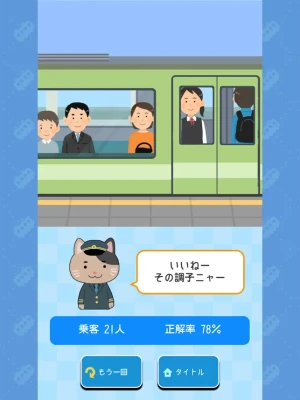
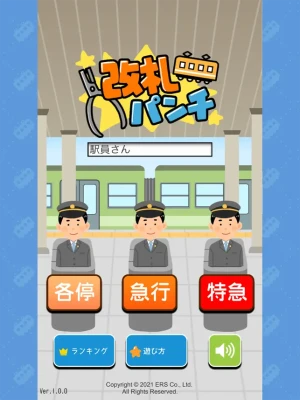
Another effective strategy is to keep track of the number of passengers boarding the train. Implementing a ranking system can motivate staff to improve their performance. For instance, stations can set goals for the highest number of passengers processed within a specific timeframe. This not only encourages teamwork but also fosters a competitive spirit among staff members.
Safety First: Adhering to Station Rules
While efficiency is important, safety must always come first. Passengers should be reminded to follow the rules and regulations of the station. This includes:
- Valid Tickets: Always ensure that you have a valid ticket before attempting to board.
- Queue Etiquette: Respect the line and wait your turn to avoid chaos.
- Emergency Procedures: Familiarize yourself with the station's emergency protocols.
By promoting a culture of safety and compliance, train stations can provide a secure environment for all travelers.
Conclusion: Striving for Excellence in Passenger Management
In conclusion, effective ticket validation and passenger management are vital components of a successful train station operation. By training staff to make quick decisions, tracking passenger numbers, and emphasizing safety, stations can enhance the travel experience for everyone. Let’s aim for excellence and ensure that every journey begins and ends smoothly.
Rate the App
User Reviews















Popular Apps










Editor's Choice