

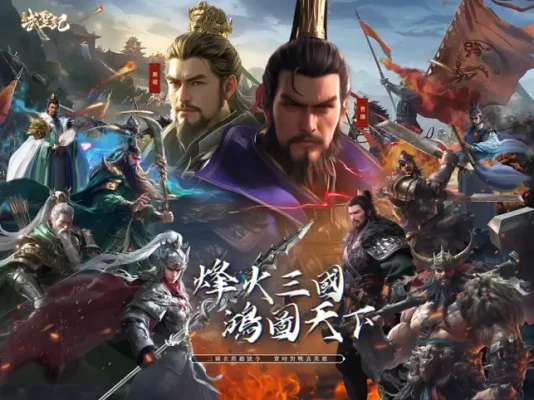
Latest Version
2.1.761
October 31, 2024
關雲長千里走單騎,天下英雄捨我其誰
Games
iOS
551.5 MB
0
Free
Report a Problem
More About 三國武聖記:趙雲開局3D國戰策略卡牌SLG
The Importance of Game Balance in Strategy Games
Game balance is the cornerstone of survival for all strategy games. From a game design perspective, it is essential to maintain equilibrium among factions, unit types, and resources, ensuring that no player has an unfair advantage. This commitment to balance means avoiding the inclusion of pay-to-win items or skills that could disrupt the gameplay experience. The goal is to provide every player with equal opportunities for development and success within the game.
Understanding Game Balance
Game balance encompasses several critical elements, including faction balance, unit balance, and resource management. Each of these components plays a vital role in creating a fair and engaging gaming environment. By focusing on these aspects, developers can ensure that players engage in strategic thinking and skillful play rather than relying on external advantages.
Faction Balance
Faction balance refers to the equal strength and viability of different groups within the game. Each faction should offer unique strengths and weaknesses, allowing players to choose based on their preferred playstyle. This diversity encourages players to explore various strategies and tactics, enhancing the overall gaming experience.
Unit Balance
Unit balance is equally important, as it ensures that no single unit type dominates the battlefield. Developers must carefully design units with distinct roles and capabilities, allowing for a dynamic interplay of strategies. This balance fosters a competitive environment where players must adapt and innovate to succeed.
Resource Management
Resource management is a fundamental aspect of strategy games. Players must gather and allocate resources wisely to build their armies and fortifications. By ensuring that resources are distributed fairly and that players have equal access to them, developers can create a level playing field that encourages strategic planning and decision-making.
Cultural Depth in Gameplay
Beyond balance, the cultural richness of a game significantly enhances its appeal. This depth is not only reflected in the game's historical context, visuals, and musical style but also in its core mechanics and narratives. For instance, a game set in the Three Kingdoms period can bring to life famous troops and classic tactics, immersing players in a rich historical experience.
Historical Accuracy and Tactical Depth
Incorporating historical elements, such as renowned military strategies from the Three Kingdoms era, adds authenticity to the gameplay. Players can engage with tactics like Sun Tzu's "Wind, Forest, Fire, Mountain" strategy, which can have a tangible impact on their military operations. This integration of history not only educates players but also enriches their strategic options.
Morale and Battlefield Events
Another critical aspect of gameplay is the morale of troops, which serves as a vital indicator of combat effectiveness. Various battlefield events, such as ambushes, encirclements, and surprise attacks, can influence troop morale, adding an extra layer of strategy. Players must navigate these dynamics to maintain their forces' effectiveness and achieve victory.
The Role of Resources in Strategy
In any strategy game, resources are paramount. They dictate the pace of gameplay and the ability to execute strategies. Players must prioritize resource management, ensuring they have enough supplies to sustain their armies. As players invest more time in the game, they will increasingly appreciate the intricate relationship between resource management and strategic success.
Conclusion: The Future of Strategy Games
As the gaming industry continues to evolve, the importance of game balance and cultural depth will remain paramount. Developers must strive to create experiences that are not only fair and engaging but also rich in historical context and strategic complexity. By doing so, they can ensure that players remain captivated and invested in the world of strategy gaming, fostering a community that values skill, strategy, and cultural appreciation.
Rate the App
User Reviews














Popular Apps









Editor's Choice