Latest Version
1.56
December 07, 2024
Igor Dorfman
Games
iOS
100.8 MB
0
Free
Report a Problem
More About Гражданин – Начальник
The Human Side of Authority: Understanding the Prison Warden's Role
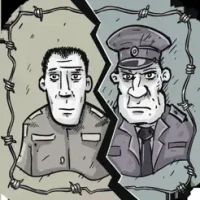
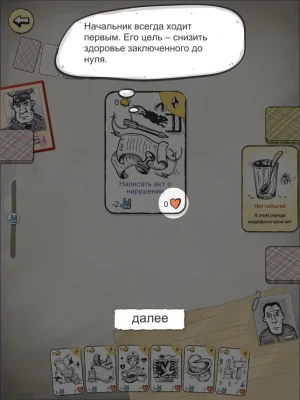
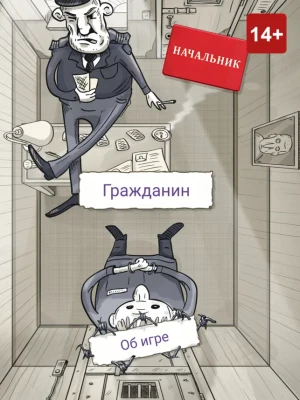
In the complex world of corrections, the prison warden stands as a pivotal figure. Each morning, this individual steps into the confines of a prison, a place often associated with punishment and rehabilitation. The warden approaches their responsibilities with a serious demeanor, believing firmly in the principle that those incarcerated have earned their place behind bars. This perspective shapes their approach to oversight and discipline within the facility.
The Warden's Perspective: Duty and Responsibility
The role of a warden is not merely administrative; it encompasses a deep sense of duty. They are tasked with maintaining order and ensuring the safety of both inmates and staff. This responsibility can weigh heavily on their shoulders, as they navigate the delicate balance between enforcing rules and fostering an environment conducive to rehabilitation.
For the warden, every decision made within the prison walls is influenced by the belief that justice must be served. This conviction often leads to a strict enforcement of regulations, as the warden feels it is their duty to uphold the law and maintain discipline among the inmates.
The Inmate's Struggle: Resilience vs. Submission
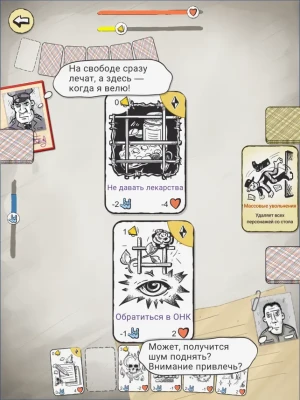
Within the prison system, inmates face a profound challenge: the struggle to maintain their spirit in the face of adversity. The question arises: can an inmate preserve their strength of character, or will they succumb to the pressures of their environment? This internal battle is crucial, as it determines whether they will fight for their rights or yield to the authority of the warden.
Many inmates grapple with feelings of hopelessness and despair, which can lead to a sense of submission. However, there are those who choose to resist, advocating for their rights and seeking to challenge the status quo. This resistance can take many forms, from formal grievances to informal alliances among inmates.
The Dynamics of Power: Authority and Rebellion
The relationship between the warden and the inmates is often characterized by a complex interplay of power. The warden's authority is absolute, yet it is constantly tested by the inmates' desire for autonomy. This dynamic creates a charged atmosphere where compliance and rebellion coexist.
In this environment, the warden must remain vigilant, aware that any sign of weakness could lead to unrest. Conversely, inmates must navigate the fine line between asserting their rights and avoiding punitive measures. This ongoing tension shapes the daily life within the prison, influencing interactions and the overall atmosphere.
Rehabilitation vs. Punishment: A Balancing Act
One of the most significant challenges faced by wardens is the dual mandate of punishment and rehabilitation. While the primary role may seem to focus on discipline, there is an increasing recognition of the importance of rehabilitation in the correctional system. This shift in perspective calls for wardens to adopt a more nuanced approach to their responsibilities.
Effective rehabilitation programs can lead to lower recidivism rates, ultimately benefiting society as a whole. Wardens who embrace this philosophy often find themselves advocating for resources and programs that support inmate development, fostering an environment where individuals can learn and grow, rather than merely serving time.
The Path Forward: Building a Better Correctional System
As society continues to evolve, so too must the correctional system. The role of the warden is critical in shaping the future of incarceration. By recognizing the humanity in both inmates and staff, wardens can create a more balanced and effective environment.
Investing in training for wardens that emphasizes empathy, conflict resolution, and rehabilitation strategies can lead to a more humane approach to corrections. This shift not only benefits the inmates but also enhances the working conditions for staff, creating a safer and more productive environment.
Conclusion: The Human Element in Corrections
Ultimately, the prison warden is more than just an enforcer of rules; they are a key player in the complex narrative of justice and rehabilitation. By understanding the challenges faced by both inmates and staff, wardens can foster an environment that promotes growth, accountability, and respect. The journey towards a more effective correctional system begins with recognizing the shared humanity of all individuals within its walls.
Rate the App
User Reviews















Popular Apps










Editor's Choice